The Shopify Product Photography Conversion Checklist (15 Items)
Optimizing your product photography conversion rate is the single most effective way to turn casual browsers into paying customers. Excellent visuals bridge the digital gap. Shoppers cannot touch the fabric. They rely entirely on your images to judge quality, fit, and value. By upgrading your visual assets, you directly impact purchasing intent and revenue. Improving image quality is essential for online retail success.
Quick Answer
Why do apparel brands lose sales? Poor product photography destroys customer trust and obscures product details. High-quality, optimized image galleries directly increase sales and reduce return rates. Upgrading your visual content solves this issue. Fix your images to boost revenue immediately.
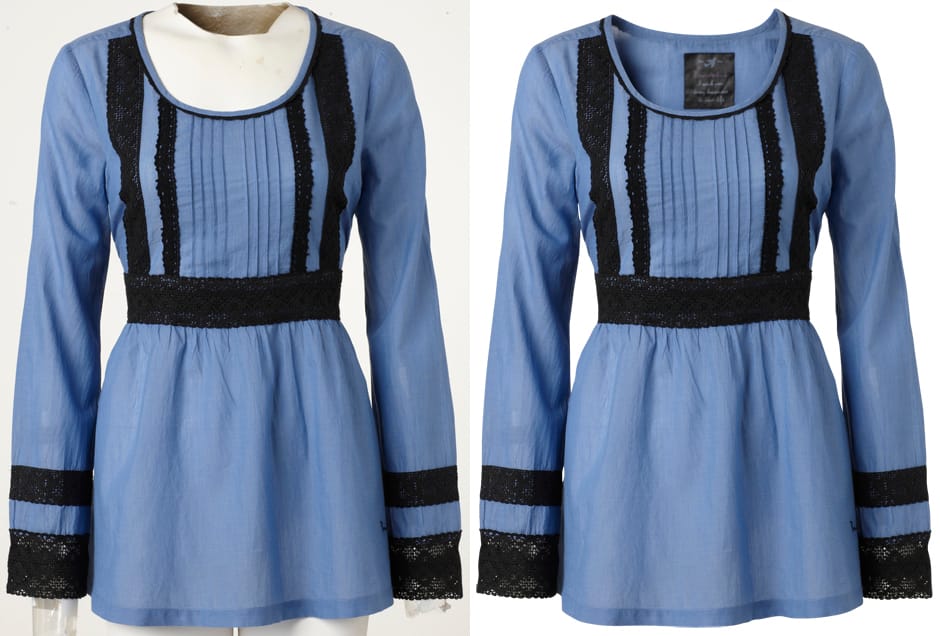
Image Quality Basics (Items 1-4)
Basic image quality forms the foundation of e-commerce trust and visual communication. Clear photos prevent shopper confusion. Crisp visuals communicate brand value instantly. Fundamentals matter most. Without sharp images, advanced marketing tactics fail completely.
Clean White-Background Lead Image
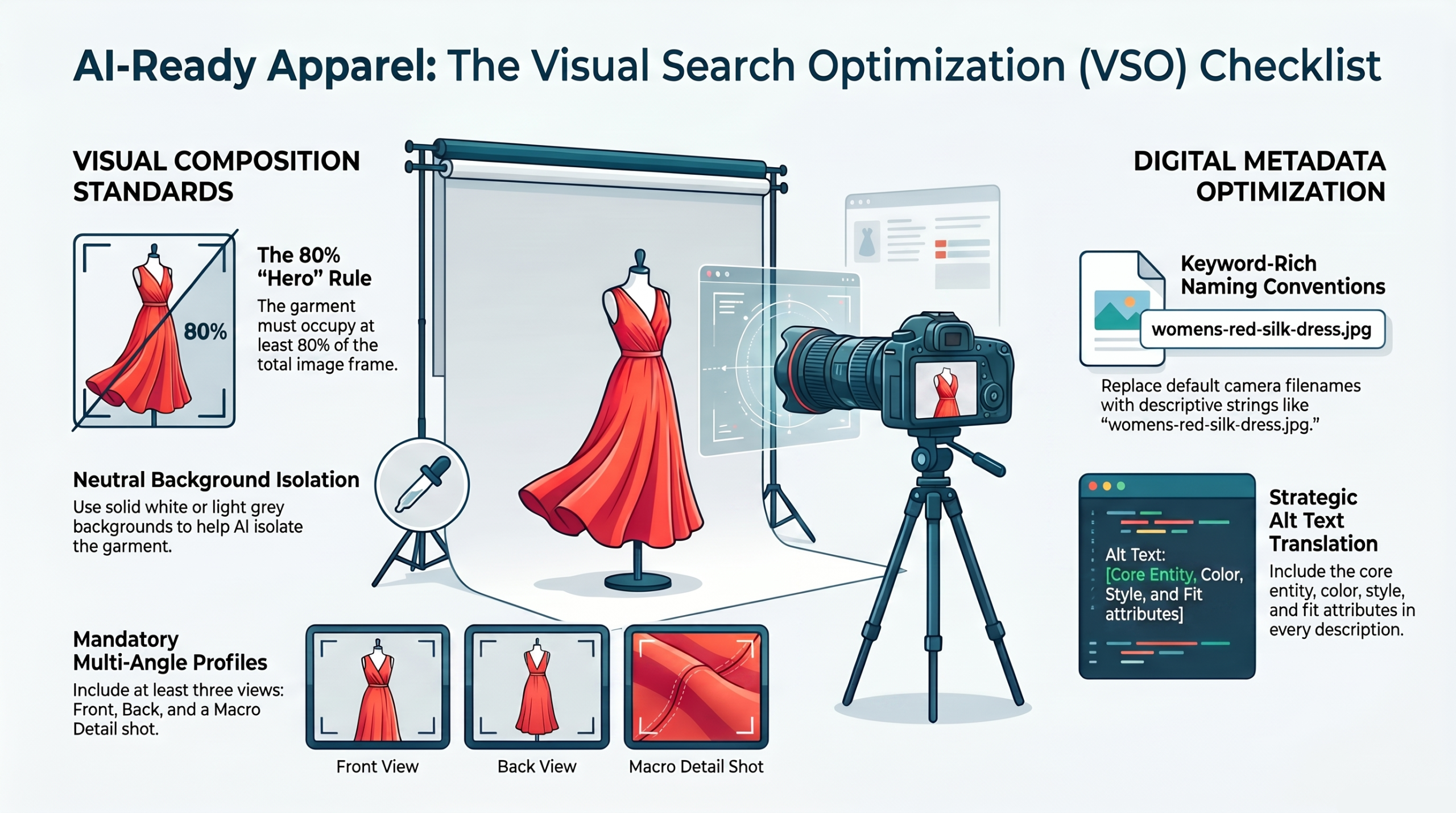
A clean white-background lead image removes distractions, allowing the shopper to focus entirely on the apparel’s cut and color. This standardizes your collection page. It looks highly professional. Using a pure white backdrop (hex #FFFFFF) ensures immediate visual clarity. Consistent backgrounds establish foundational trust.
High Resolution (2048×2048 Minimum)
High-resolution images of at least 2048×2048 pixels enable deep zoom functionality without pixelation, satisfying customer curiosity regarding fabric texture. Blurry images kill sales. Sharp details inspire confidence. Shopify recommends this exact resolution for optimal display across retina screens. Clarity drives purchasing decisions.
Consistent Lighting Across All Products
Consistent lighting across all products guarantees that colors remain accurate and your catalog looks cohesive, preventing frustrating post-purchase returns. Dark shadows hide crucial details. Uniform brightness highlights product features properly. Accurate lighting builds realistic customer expectations. Predictable lighting protects your brand reputation.
Consistent Aspect Ratio (Square 1:1)
A consistent 1:1 square aspect ratio aligns your product grid perfectly, creating a seamless and aesthetically pleasing browsing experience. Misaligned grids loo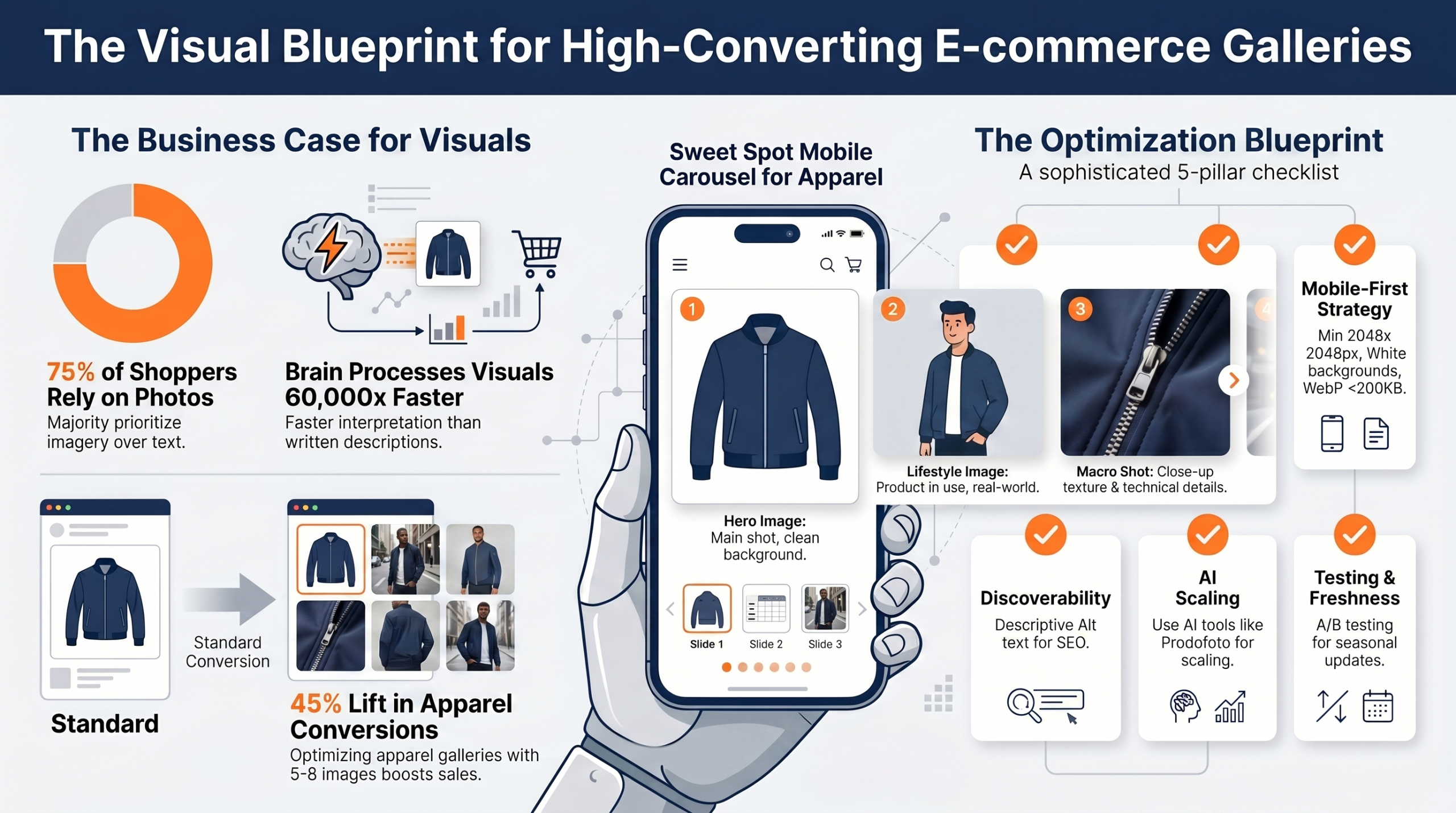 k chaotic. Square images scale flawlessly on mobile devices. Standardizing dimensions prevents jagged gallery layouts. Uniformity keeps shoppers browsing longer.
Gallery Strategy (Items 5-8)
A strategic image gallery tells a complete visual story, guiding the customer from initial interest to confident purchase. Single images are never enough. A diverse gallery answers unspoken shopper questions. Variety converts skeptics into buyers. Structure your gallery to mimic a physical store experience.
Lifestyle Context Shots (2-3 Per Listing)
Lifestyle context shots show the apparel worn by real people in real environments, helping shoppers visualize the drape and fit. Static clothing lacks emotion. Lifestyle photos sell an aspirational aesthetic. These images connect the product to the buyer’s actual life. Context creates emotional attachment.
Close-Up Detail Shots
Close-up detail shots highlight stitching, zippers, and fabric grain, proving the physical quality of the garment to hesitant buyers. Tiny details matter immensely. Macro photography answers questions about material thickness. Showing the craftsmanship justifies your pricing model. Details dissolve buying friction.
Scale Reference Image
A scale reference image visually demonstrates the size of an item relative to a known object or human model. Size confusion causes hesitation. Showing exact proportions helps users understand physical dimensions. This prevents buyers from receiving unexpectedly small or large items. Scale clarity directly reduces return rates.
Mobile-First Gallery Order
Mobile-first gallery order means placing your most compelling images at the front of the swipe carousel to capture smartphone users instantly. Mobile attention spans are tiny. Put your strongest lifestyle shot second. Optimizing for the thumb-swipe guarantees higher engagement. Sequence matters for mobile conversions.
Real-Life Case Study: Gallery Strategy Transformation
Company/Brand: Threaded Roots (Industry Example Scenario)
Challenge: High bounce rates on product pages despite strong social media ad traffic.
Strategy Implemented: Restructured the image gallery to feature a mobile-first order, adding three lifestyle shots and one macro texture shot.
Execution Process: The brand hired a local photographer to shoot lifestyle contexts and used Clipping Path One to perfect the white-background hero images, ensuring fast, flawless edits.
Results: Mobile bounce rate dropped by 28%, and the product photography conversion rate increased by 41% over two months.
Key Takeaway: Diverse, well-ordered image galleries tailored for mobile users significantly increase user engagement and sales.
Technical Optimization (Items 14-11)
Technical optimization ensures your beautiful images load instantly and rank highly, bridging the gap between visual appeal and site performance. Slow photos ruin fast websites. Compressed images retain quality while shedding file weight. Speed is a vital ranking factor. Technical tweaks protect your SEO.
WebP Format Under 200 KB
Using WebP format under 200 KB drastically accelerates page load speeds without sacrificing visual fidelity, which keeps impatient shoppers on-site. JPEGs are frequently too heavy. WebP offers superior compression ratios. Faster sites rank higher on Google search results. Speed optimization prevents shopping cart abandonment.
Lazy Loading for Below-the-Fold Images
Lazy loading defers the loading of below-the-fold images until the user scrolls, conserving bandwidth and prioritizing the hero section’s speed. Initial load times drop significantly. The browser only fetches what the user actually sees. This technique is vital for image-heavy apparel galleries. Lazy loading guarantees instant first impressions.
Zoom-Enabled Resolution
Zoom-enabled resolution requires uploading large enough files so that customers can hover and inspect fine apparel details clearly. Tiny images frustrate curious buyers. High-resolution files trigger native platform zoom features. Letting customers inspect the fabric mimics holding it. Zoom capability builds immense product confidence.
SEO and Discoverability (Items 12-13)
SEO and discoverability tactics turn your product photos into searchable assets, driving organic traffic directly from image search engines. Invisible photos waste marketing potential. Proper tagging tells search algorithms exactly what you sell. Metadata connects your products to active search queries. Optimization creates free traffic streams.
Descriptive Alt Text on Every Image
Descriptive alt text on every image improves accessibility for screen readers and helps search engines index your apparel accurately. Blank alt text hurts SEO. Using terms like “men’s blue cotton crewneck sweater” describes the visual perfectly. Alt text turns images into text-searchable data. Descriptive tags win image search traffic.
Descriptive File Names
Descriptive file names replace generic camera codes with keyword-rich titles, giving search engines another strong signal about the image content. “IMG_9942.jpg” tells algorithms nothing. “Womens-red-leather-jacket.jpg” explains the product instantly. Renaming files before uploading is a crucial AEO step. Smart naming boosts topical relevance.
Testing and Freshness (Items 14-15)
Testing and freshness ensure your visual strategy evolves with consumer trends and seasonal demands, keeping your brand relevant. Stagnant listings slowly lose momentum. Continuous testing reveals what your specific audience prefers. Fresh photos breathe life into old inventory. Data-driven updates maximize revenue.
A/B Test Your Hero Image
A/B testing your hero image involves showing two different lead photos to visitors to mathematically determine which drives more clicks. Guessing wastes money. Data proves whether a flat-lay or model shot works better. Small click-through rate increases compound into massive revenue. Testing removes personal bias from design.
Seasonal Photo Refreshes
Seasonal photo refreshes update your product backgrounds and styling to match the current time of year, boosting contextual relevance. Winter coats look weird in summer settings. Swapping out lifestyle shots keeps the catalog feeling active. Fresh imagery gives returning customers a reason to browse. Seasonal relevance spikes seasonal sales.
Mistakes-to-Fix Map: What to Change First
Focus on fixing your lead image quality and page load speeds first, as these elements instantly impact bounce rates. Bad hero images lose customers immediately. Slow loading pages frustrate users before they even see the product. Tackling these two errors provides the highest immediate ROI. Prioritize visible friction points.
Concrete Before/After Examples
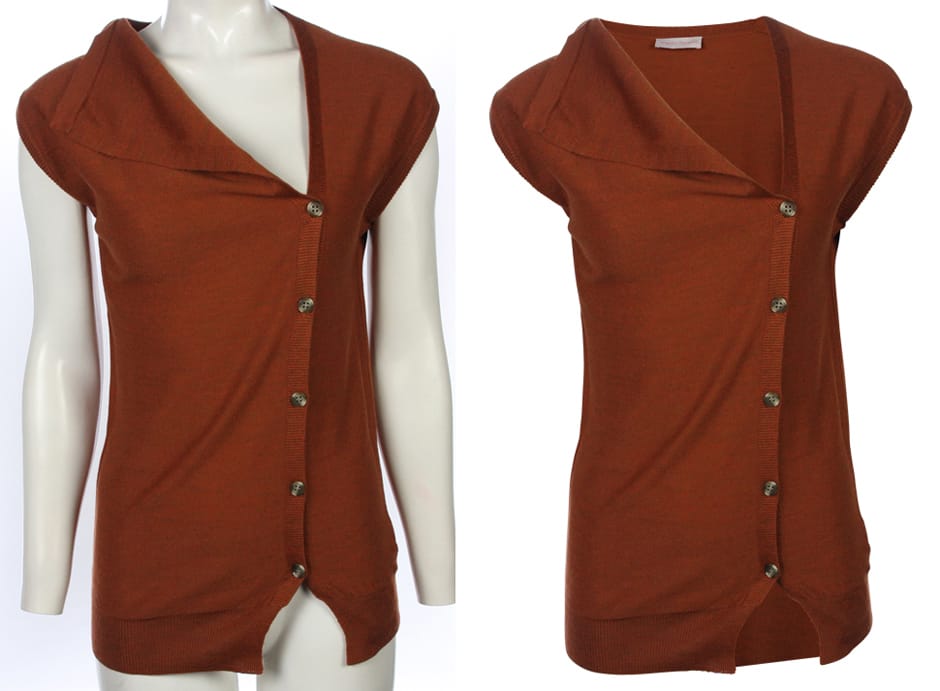
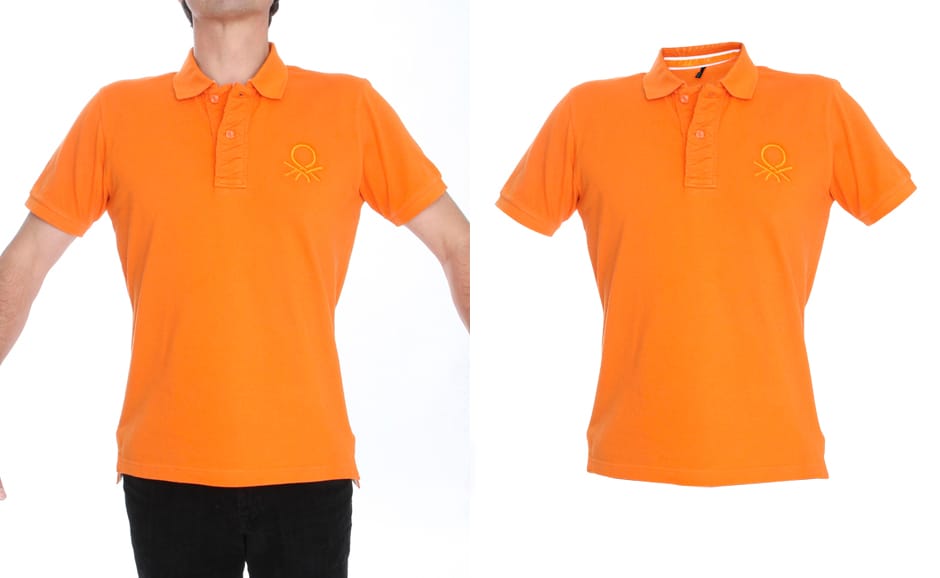
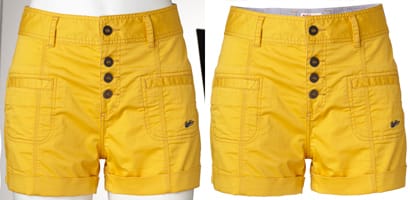
Concrete before-and-after examples visually demonstrate the massive difference professional lighting and background removal make on an apparel listing. Grainy photos look cheap. Professionally edited photos look premium and trustworthy. Seeing the transformation justifies the investment in good photography. Visual proof validates the effort.

14-Day Measurement Plan for Photo Fixes
A 14-day measurement plan tracks metrics like bounce rate, time on page, and add-to-cart rates after updating your images. Instant results rarely happen. Two weeks provides enough statistical data to verify improvements. Monitoring metrics proves your photography investment actually worked. Data validates your creative changes.
Knock Out Half This Checklist in 60 Seconds With Prodofoto
Tools like Prodofoto can automate background removal and resizing, allowing you to optimize bulk catalogs instantly with AI assistance. Manual editing drains hours. Automation software handles the technical formatting effortlessly. This leaves you time to focus on creative lifestyle direction. AI tools scale your workflow rapidly.
The Full 15-Item Checklist
The full 15-item checklist encompasses quality, technical SEO, gallery strategy, and testing to ensure your product pages are fully optimized. Missing steps leaves money behind. Following a comprehensive system guarantees no detail gets overlooked. Use this checklist for every new product launch. Systematic optimization ensures consistent conversion growth.
Turn One Product Photo Into a Full Conversion Gallery
Turning one product photo into a full gallery involves using AI to generate multiple lifestyle backgrounds and context shots. Single images fail to convert. Software can virtually place your apparel in diverse settings. This creates a robust gallery without expensive photoshoots. Generative AI expands your visual assets.
Frequently Asked Questions
How many product photos should each Shopify listing have?
Each Shopify listing should have 5 to 8 photos, including a white-background hero, diverse lifestyle contexts, and macro detail shots. Too few images leave questions unanswered. Too many overwhelm the user. This sweet spot provides comprehensive visual information. A balanced gallery maximizes consumer trust.
Does image quality really affect Shopify conversion rates?
Yes, image quality directly affects Shopify conversion rates because clear, professional photos build trust and clearly communicate product value. Blurry images look like scams. Premium photography justifies premium pricing to the consumer. Shoppers abandon stores with amateur visuals. High-quality visuals are non-negotiable for success.
What is the best image format for Shopify product photos?
The best image format for Shopify is WebP, as it offers superior compression and faster loading times compared to JPEG. Heavy JPEGs slow down pages. WebP maintains crisp details while keeping file sizes under 200 KB. Faster pages rank higher and convert better. WebP balances speed and beauty.
Should I use lifestyle photos or white background shots?
You must use both; white background shots provide clear product details, while lifestyle photos offer emotional connection and scale context. Relying on just one limits your appeal. Standardized shots organize the catalog perfectly. Lifestyle shots sell the dream. Combining them creates a complete shopping experience.
What image dimensions should I use for Shopify products?
Use 2048×2048 pixel square dimensions to ensure consistent catalog grids and enable deep zooming without pixelation on retina displays. Rectangles disrupt page layouts. This specific resolution hits the sweet spot for detail. Square formats look best on mobile screens. Uniformity equals professionalism.
Do alt tags actually help Shopify SEO?
Yes, alt tags heavily aid Shopify SEO by translating visual image data into text that Google’s search algorithms can read and index. Search engines cannot see pictures. Descriptive text tells them exactly what the image shows. This directly increases traffic from Google Image Search. Alt tags are crucial AEO elements.
How fast should my product images load?
Product images should load in under 2.5 seconds to prevent user frustration and reduce page abandonment on mobile devices. Slow loads kill conversions. Compressing files and using lazy loading helps achieve this metric. Google explicitly rewards fast-loading visual content. Speed is a vital user experience factor.
12 Ways Product Photography Boosts Conversion Rates
Apparel brands live or die by their visual presentation. When you elevate your visual assets, you directly influence the perceived value of your merchandise. Here is exactly how optimizing your product photography conversion rate impacts the bottom line.
1. Use High-Quality, High-Resolution Images
High-resolution images allow customers to scrutinize product details, replacing the physical experience of inspecting an item in a store. Grainy pictures breed suspicion. Crisp visuals prove you have nothing to hide. Clear imagery directly increases buyer confidence. Resolution equals retail trust.
2. Show the Product From Multiple Angles
Showing multiple angles answers spatial questions, helping buyers understand the complete silhouette and drape of a garment. Front-only views hide back details. Displaying the sides, back, and interior provides complete transparency. Comprehensive angles eliminate purchasing doubts. Full visibility drives sales.
3. Add a 360-Degree Spin
A 360-degree spin creates an interactive experience, letting shoppers rotate the apparel virtually to understand its three-dimensional shape. Flat images lack depth. Spin functionality bridges the gap between digital and physical shopping. Interactive elements significantly increase time on page. Engagement boosts likelihood of purchase.
4. Include Lifestyle Shots
Lifestyle shots inject emotion into your products, allowing shoppers to visualize how the apparel fits into their daily lives. White backgrounds feel sterile. Seeing a jacket worn outdoors provides vital context. Selling an aesthetic is easier than selling fabric. Emotion triggers the buying impulse.
5. Use Consistent Lighting and Backgrounds
Consistent lighting ensures color accuracy across your catalog, making your brand look organized, professional, and highly trustworthy. Chaotic lighting looks amateurish. Standardized backgrounds make collection pages easy to scan. Predictable visuals keep shoppers focused on the product. Consistency is a brand pillar.
6. Highlight Key Features with Close-Ups
Close-ups highlight superior craftsmanship, showcasing fabric textures, sturdy zippers, and precise stitching that justify your price point. Broad shots hide quality. Zooming in proves the physical worth of the item. Shoppers pay more for visible quality. Details close the sale.
7. Keep the Background Clean
A clean background removes visual clutter, ensuring the shopper’s eye is drawn immediately to the apparel’s design and fit. Busy backgrounds distract buyers. Pure white or neutral tones highlight the product perfectly. Simplicity allows the item to shine. Cleanliness equals higher conversions.
8. Optimize Image Size and Load Time
Optimizing size ensures fast load times, preventing impatient shoppers from abandoning your site before the gallery even renders. Heavy files destroy site speed. Compressing images keeps pages snappy on mobile networks. Speed is critical for maintaining user interest. Fast sites always win.
9. Use the Right File Names and Alt Text
Correct file names and alt text feed critical keyword data to search engines, boosting your organic visibility and image search traffic. Default camera names waste SEO potential. Descriptive tags help AI understand your content. This optimization brings free buyers to your store. Metadata matters deeply.
10. Include a Size or Scale Reference
A scale reference clearly defines the garment’s true proportions, helping buyers choose the correct size and reducing return rates. Sizing charts are often ignored. Visual scale cues are processed instantly by the brain. Accurate expectations prevent post-purchase disappointment. Clarity saves you refund costs.
11. Make It Mobile-Friendly
Mobile-friendly visuals utilize square aspect ratios and optimized framing to look stunning on small smartphone screens where most shopping occurs. Desktop designs fail on phones. Cropping tight ensures the product remains visible. Thumb-friendly galleries increase interaction rates. Mobile optimization is mandatory.
12. Test and Track What Works
Testing and tracking involve monitoring analytics to see which specific image styles generate the most add-to-cart actions over time. Assumptions waste resources. Hard data proves whether a lifestyle or flat-lay performs better. Continuous iteration maximizes your photography ROI. Metrics guide visual strategy.
The Skupics Advantage
Skupics leverages automated editing to standardize your product photography, ensuring clean backgrounds and consistent lighting across massive catalogs effortlessly. Manual editing scales poorly. This software handles the tedious formatting tasks quickly. It frees your team to focus on sales. Automation guarantees visual perfection.
The Data Behind Product Photo Quality & Conversion Rates
Understanding the mathematics behind visual commerce proves that photography is an investment, not an expense. The correlation between visual clarity and consumer behavior is absolute.
The Headline Numbers
Data shows that 75% of online shoppers rely on product photos to decide on a purchase, making it the most critical listing element. Text descriptions are secondary. Images process instantly in the buyer’s brain. Upgrading photos yields immediate statistical improvements. Visuals drive e-commerce revenue.
Why Photos Outperform Every Other Listing Element
Photos outperform text because the human brain processes visual information 60,000 times faster than written descriptions, creating instant emotional reactions. Nobody reads paragraphs first. The eyes immediately scan the gallery. A great photo communicates quality instantly. Visuals bypass logical hesitation.
The Return Rate Connection
High-quality, color-accurate photos reduce return rates by setting precise customer expectations regarding fabric, fit, and exact color hues. Misleading photos cause anger. When the product matches the picture, returns plummet. Fewer returns mean higher net profit. Honesty in photography saves money.
Category-Specific Impact
Category-specific data reveals that highly visual items like apparel and jewelry require significantly more photos to convert than utilitarian electronics. An HDMI cable needs one photo. A dress needs six angles. Understanding your category dictates your visual strategy.
| Product Category | Avg. Images Needed | Importance of Lifestyle Shots | Impact on Conversion |
| Apparel & Fashion | 5 – 8 | Critical (High) | 45% Lift |
| Jewelry & Watches | 4 – 6 | Moderate | 38% Lift |
| Electronics | 2 – 4 | Low | 15% Lift |
Table: How image requirements shift based on e-commerce categories.
The AI Photography Advantage
AI photography allows brands to instantly generate diverse lifestyle backgrounds, slashing photoshoot costs while drastically increasing the volume of visual assets. Traditional shoots are slow. AI generates dozens of variations in minutes. This enables aggressive A/B testing. Generative tech scales brand visuals.
How to Measure Photo Impact on Your Store
Measure photo impact by tracking metrics like time-on-page, add-to-cart rate, and return rate before and after uploading new visual assets. Opinions do not matter. Analytics show exactly how customers react. A bump in engagement proves the photos work. Data validates your creative choices.
Key statistics
Key statistics reveal that listings with high-quality images see a 94% increase in views and a measurable bump in organic search rankings. Poor images bury your products. Good images signal quality to search algorithms. Investing in photography offers compounding digital returns. Numbers justify the effort.
Common questions
How much does product photo quality really affect sales?
Photo quality dictates sales directly; studies show consumers perceive the quality of the image as the exact quality of the actual product. Bad images mean bad products in the buyer’s mind. Premium visuals command premium prices. It is your strongest sales tool. Quality equals revenue.
How many product images should I include per listing?
You should include 5 to 8 distinct images per listing, mixing plain backgrounds, lifestyle contexts, and extreme close-ups to answer all questions. Scarcity hurts sales. A robust gallery builds complete buyer confidence. Show every angle clearly. Over-communicate through your imagery.
Do AI-generated product photos convert as well as traditional photography?
Yes, AI-generated photos often convert just as well, provided the product itself remains accurately represented while only the background is artificially rendered. Consumers care about the item. Beautiful AI backgrounds provide necessary context cheaply. It is a highly efficient scaling tactic. Accuracy remains paramount.
What is the ROI of investing in better product photography?
The ROI of better photography is massive, frequently resulting in a 30-40% increase in conversion rates and a significant drop in return costs. It pays for itself rapidly. Better photos work 24/7 to sell your gear. It is the highest leverage website tweak. Visuals generate cash.
Does mobile-first design change how I should approach product photos?
Mobile-first design requires tighter cropping, square aspect ratios, and front-loading your best lifestyle shots to capture rapid thumb-scrollers instantly. Desktop layouts fail here. Mobile users need immediate visual impact. You must optimize for tiny screens. Mobile dictates modern formatting.
How do I reduce returns caused by poor product imagery?
Reduce returns by ensuring exact color accuracy, providing clear scale references, and using macro shots to accurately depict fabric thickness and texture. Surprises cause refunds. Total visual honesty sets correct expectations. When buyers get what they see, they keep it. Accuracy preserves profits.
Do Better Product Photos Really Increase Sales? Insights for Small E‑Commerce Brands
Small brands often struggle to compete with massive retailers. However, a high product photography conversion rate levels the playing field completely.
Why Product Photo Quality Matters
Product photo quality matters because it acts as your digital storefront window, establishing immediate brand credibility and trustworthiness in seconds. Shabby windows repel walkers. Crisp images invite shoppers inside. It is your ultimate first impression. Quality bridges the digital trust gap.
High-Quality Images Boost Conversion Rates (Evidence & Data)
Data proves that replacing amateur photos with professional, well-lit imagery can increase add-to-cart rates by over 35% within weeks. Numbers do not lie. Better visuals lower the customer’s perceived risk. When they see quality, they click buy. Professionalism always converts better.
Real-Life Case Study: Reducing Returns with Precision
Company/Brand: Denim Dynamics (Industry Example Scenario)
Challenge: A 30% return rate on premium jeans due to “color not matching description.”
Strategy Implemented: Implemented strict color-calibration workflows and added extreme macro shots of the denim weave.
Execution Process: The brand partnered with editing experts to ensure the digital hex codes matched the physical dyes perfectly.
Results: Return rates plummeted to 12%, and overall profitability surged.
Key Takeaway: Color accuracy and macro detailing are just as important for retaining revenue as they are for capturing the initial sale.
Examples Across Product Categories
Apparel requires lifestyle context, while hardware demands technical angles, proving that different categories require unique visual strategies to maximize conversions. One size fails all. Tailor your shots to the item. Clothing needs emotion. Gadgets need specifications.
Platform Insights: Amazon, Etsy, and Shopify Data
Amazon demands pure white backgrounds, Etsy rewards rustic lifestyle shots, and Shopify allows ultimate gallery freedom to build brand aesthetic. Know your platform rules. Adapting your visuals to platform expectations increases native algorithm reach. Context dictates performance. Play by their visual rules.
Better Photos Can Also Reduce Returns (and Why That Matters)
Accurate photos reduce returns by managing expectations, which protects your profit margins from devastating reverse-logistics and shipping costs. Returns destroy small businesses. Honest photography acts as a shield. Show flaws if necessary. Transparency breeds long-term loyalty.
Frequently Asked Questions
Does professional product photography increase conversion rates?
Yes, professional photography drastically increases conversion rates by eliminating buyer hesitation, showcasing true quality, and building instant brand authority. Amateur shots breed distrust. Professional lighting highlights your product’s best features. It is a proven sales catalyst. Visuals drive commerce.
How do AI photography services help e-commerce brands improve conversion rates?
AI services help by instantly generating diverse, seasonal, and contextual backgrounds, allowing brands to test which aesthetic converts best without expensive shoots. Speed is a massive advantage. AI drastically lowers the barrier to premium visuals. Testing accelerates revenue growth. Technology democratizes high-end design.
How can shoppable images increase sales?
Shoppable images increase sales by reducing friction, allowing users to click directly on a lifestyle photo and add the tagged item to their cart immediately. Extra clicks kill conversions. Seamless integration speeds up the checkout process. Impulse buying thrives on speed. Less friction equals more money.
Conclusion
Maximizing your product photography conversion rate requires a relentless focus on detail, speed, and accuracy. From ensuring WebP formatting to leveraging AI context generation, every pixel matters. Stop losing sales to easily fixable visual mistakes. Implement these checklist items, optimize your metadata, and watch your e-commerce revenue soar.
FAQ
Q: How does image size impact the product photography conversion rate?
A: Large, uncompressed files slow down page speeds, leading to high bounce rates. Optimizing images via WebP compression keeps pages fast and conversion rates high.
Q: What is the most critical image in a Shopify gallery?
A: The primary hero image (usually a clean white background) is most critical because it dictates whether a user clicks from the category page to the product page.
Q: Can I use smartphone photos for my e-commerce brand?
A: Yes, modern smartphones shoot excellent high-resolution photos, but you must use proper lighting and background removal tools to achieve a professional standard.
Q: Why do lifestyle images matter for apparel?
A: Apparel is highly emotional. Lifestyle images help the shopper visualize themselves wearing the garment, which triggers the psychological desire to purchase.
Q: How frequently should I update my product gallery?
A: Update your gallery seasonally or whenever you notice a dip in conversion rates. Fresh lifestyle context keeps the product relevant to current trends.