The Ultimate Guide to Fashion Photo Editing Services Offering Bulk Image Discounts
Fashion photography is about more than capturing beautiful clothing. Every image must communicate a brand’s identity, highlight garment details, maintain accurate colors, and create a consistent shopping experience. For photographers, fashion retailers, ecommerce businesses, and creative agencies, achieving that standard across hundreds or thousands of images can quickly become a major production challenge.
Imagine finishing a two-day apparel photoshoot for an online fashion retailer. Four models have presented 60 different looks, each photographed from eight angles. By Monday morning, your team is facing nearly 2,000 RAW files, multiple editing requirements, and a deadline that is already approaching.
Your clients expect polished images, consistent colors, clean backgrounds, natural skin retouching, and accurate garment details. Meanwhile, your photography team needs to prepare the next campaign, manage client communications, and keep the production schedule moving.
This is where fashion photo editing services offering bulk image discounts become a practical business solution. Instead of handling every photograph in-house, you can outsource high-volume retouching to a professional editing partner that can process large batches according to your creative requirements.
Bulk fashion photo editing is not simply about reducing the cost per image. It can help studios manage larger projects, improve post-production consistency, reduce editing bottlenecks, and deliver ecommerce fashion photography on schedule.
In this guide, we explore how bulk image editing works, which services are commonly included, how volume-based pricing affects budgets, and what to consider when choosing a reliable photo editing company.
Understanding Fashion Photo Editing Services for High-Volume Work
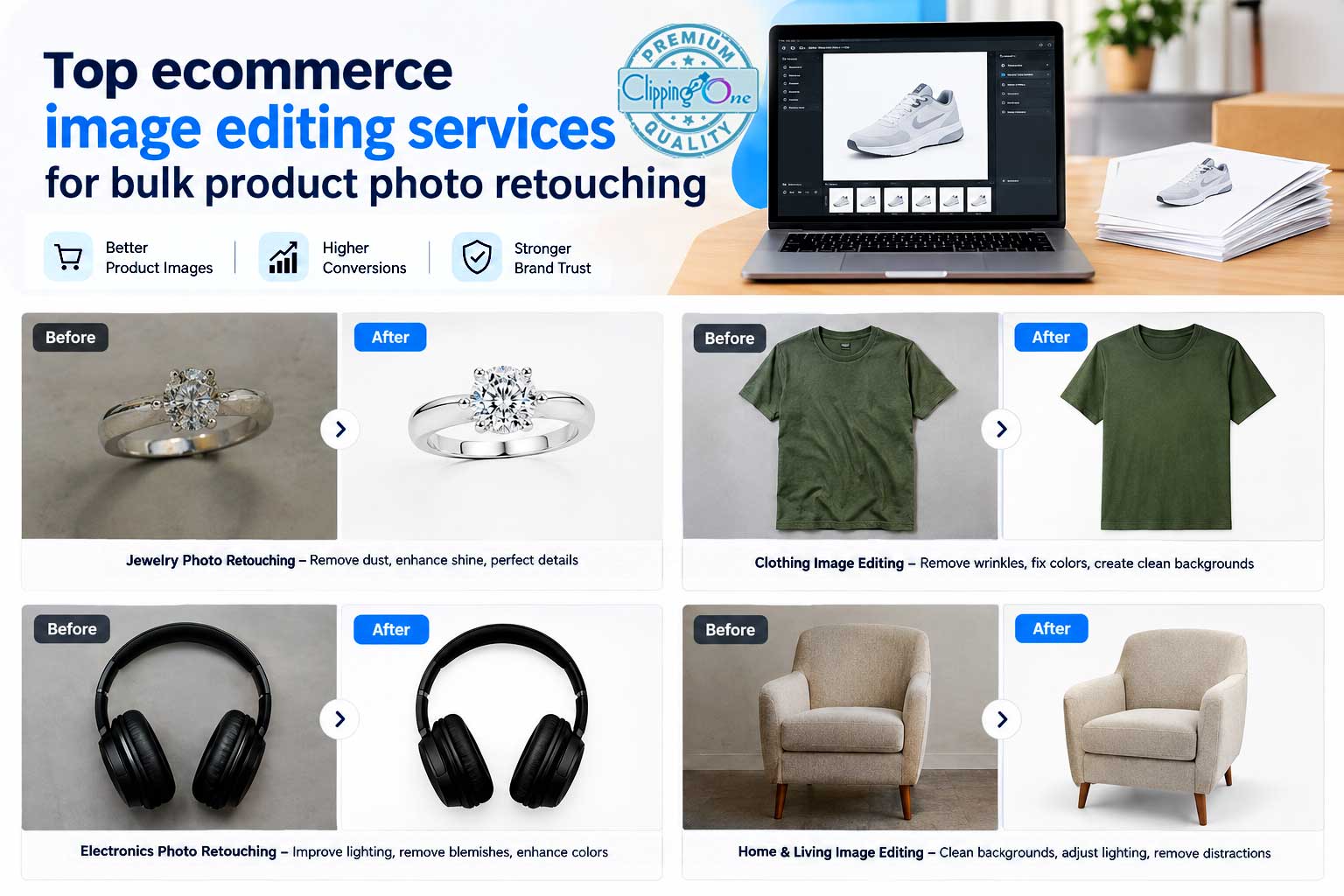
Fashion photo editing services cover the post-production work required to turn raw or minimally processed fashion photographs into polished, publication-ready images.
These services support a wide range of projects, including ecommerce product catalogs, apparel lookbooks, fashion campaigns, model portfolios, clothing marketplaces, promotional materials, and social media content.
Unlike basic image enhancement, professional fashion image retouching requires a careful balance between visual quality and authenticity. Garments must look appealing without losing their original color, texture, shape, or construction. Model retouching should improve presentation without making skin look artificial or removing natural characteristics.
For high-volume projects, these requirements become more demanding because the same visual standard must be maintained across an entire collection.
What Does High-Volume Fashion Retouching Include?
Depending on the project brief, a fashion photo editing company may provide:
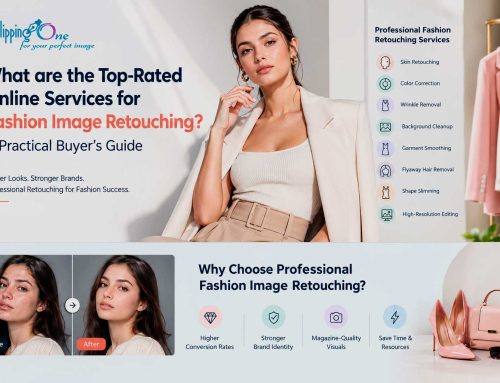
- Skin retouching for models, including blemish removal and subtle skin cleanup.
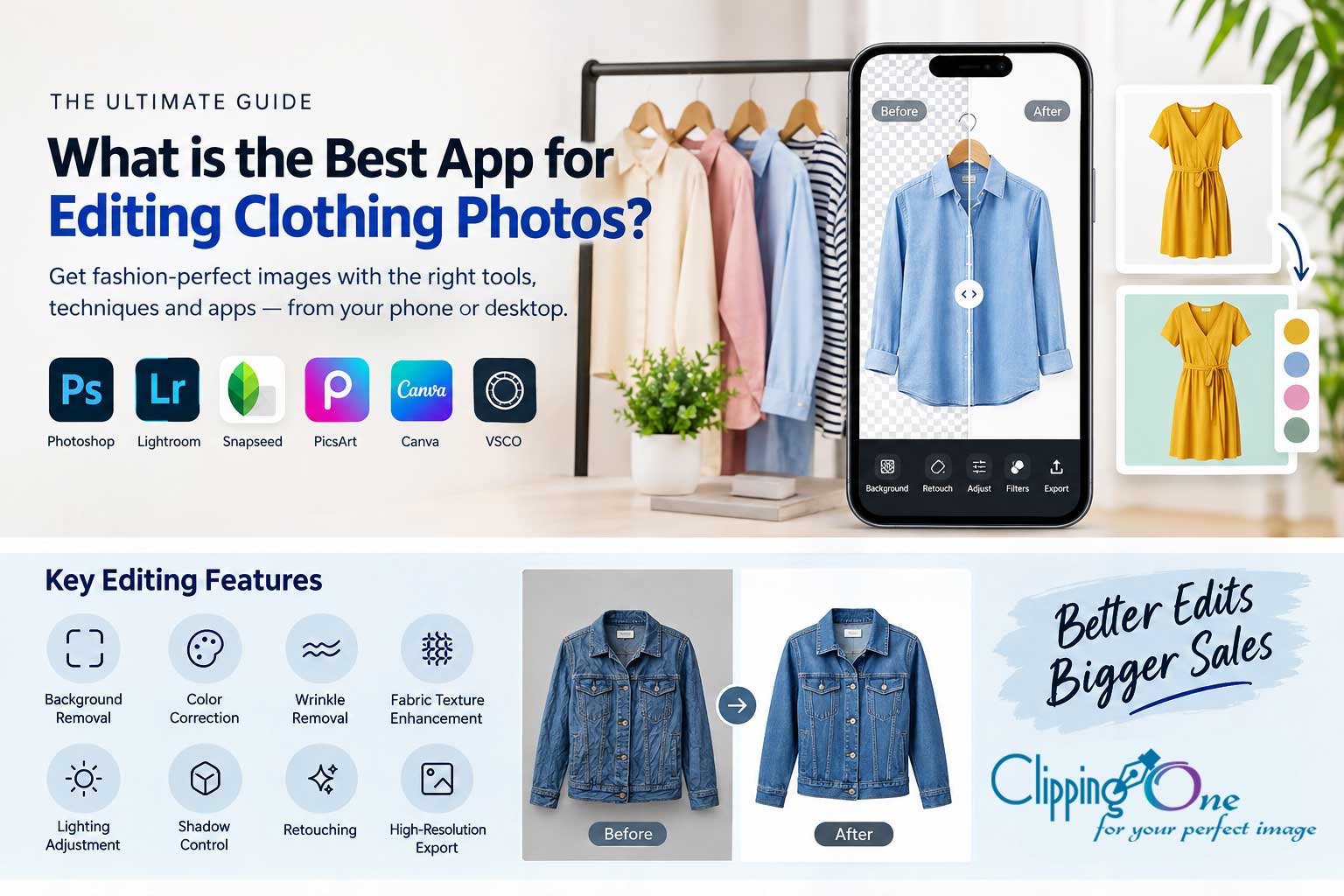
- Garment wrinkle removal and fabric refinement.
- Color correction for clothing and accessories.
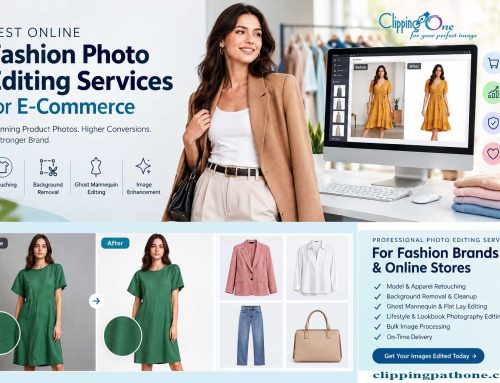
- Background removal, replacement, and cleanup.
- Ghost mannequin editing for apparel product photography.
- Image alignment, cropping, and consistent margins.
- Dust, lint, stray thread, and minor distraction removal.
- Exposure, contrast, and white balance adjustments.
- Shape refinement where requested and appropriate.
- Batch retouching for large product catalogs.
- Exporting images in specified dimensions, file formats, and resolutions.
A bulk editing workflow makes it possible to apply consistent instructions across many images while allowing individual adjustments when a photograph requires more attention.
For example, a clothing retailer may need 1,500 product images with clean white backgrounds, accurate garment colors, consistent cropping, and subtle fabric retouching. A professional editing team can organize the project into manageable batches and follow an agreed editing standard throughout the collection.
Who Benefits From Bulk Fashion Photo Editing?
Bulk image editing can be valuable for:
- Fashion ecommerce brands launching seasonal collections.
- Clothing manufacturers supplying multiple retailers.
- Photography studios handling recurring apparel shoots.
- Creative agencies managing campaigns for fashion clients.
- Marketplace sellers uploading hundreds of new products.
- Fashion photographers delivering large lookbooks.
- Online retailers updating product catalogs frequently.
- Marketing teams preparing images for multiple sales channels.
For these businesses, outsourcing fashion photo editing can create additional production capacity without requiring an immediate expansion of their in-house editing team.
What Bulk Image Discounts Really Mean for Studios and Brands
Bulk image discounts are pricing arrangements in which the cost per photograph decreases as the order volume increases, subject to the provider’s pricing structure and the complexity of the work.
Instead of paying the same rate for every small batch, a client may receive a more favorable rate when submitting hundreds or thousands of images with consistent editing requirements.
For example, a simple background cleanup project involving 1,000 similar images may qualify for a different rate from a 1,000-image campaign requiring detailed beauty retouching and complex compositing.
The important distinction is that bulk pricing usually depends on both image quantity and editing complexity.
Common Bulk Photo Editing Pricing Models
Per-image pricing: Each photograph receives a fixed price based on the agreed editing specifications. Larger orders may qualify for discounted rates.
Volume-based pricing tiers: The provider offers different price levels for different order sizes. The actual thresholds and discounts vary by company.
Monthly editing plans: Businesses with recurring image production may agree on a monthly volume, budget, or service arrangement.
Project-based pricing: A complete lookbook, catalog, or campaign is quoted as one project after the editing requirements have been reviewed.
Custom outsourcing agreements: High-volume clients may establish recurring production schedules, dedicated workflows, and negotiated pricing.
When comparing providers, do not evaluate the price alone. Confirm what the quote includes, whether revisions are covered, how difficult images are handled, and whether rush delivery costs extra.
A low per-image rate is useful only when the finished images meet your quality requirements and arrive in time for the intended launch.
Key Types of Fashion Photo Edits Included in Bulk Packages
Fashion photography varies considerably from one project to another. A straightforward ecommerce catalog may require clean backgrounds and consistent cropping, while a luxury campaign may demand detailed retouching and carefully controlled creative color grading.
Understanding the different types of fashion image editing helps you choose an appropriate service package.
1. Model Skin Retouching
Professional skin retouching removes temporary distractions such as isolated blemishes, small spots, and minor imperfections while preserving natural skin texture.
The objective is to create a polished appearance without making the model look unrealistic. Natural pores, facial characteristics, and appropriate skin texture should remain visible unless a specific artistic brief calls for a different treatment.
For high-volume apparel shoots, a standardized retouching approach helps maintain consistency across multiple models, poses, and lighting conditions.
2. Garment Wrinkle Removal and Fabric Refinement
Wrinkles, lint, loose threads, and distracting creases can draw attention away from a product’s design.
Garment retouching can improve presentation by removing temporary distractions, refining fabric appearance, and correcting minor visual inconsistencies.
However, editors should preserve authentic garment characteristics. Fabric texture, seams, stitching, natural draping, and intended design details should not be erased simply to create a perfectly smooth appearance.
3. Clothing Color Correction
Color accuracy is especially important in ecommerce fashion photography. Customers rely on product images to understand the color and appearance of clothing before purchasing.
Color correction addresses exposure differences, white balance issues, and inconsistencies between photographs. When supported by reliable color references and a color-managed workflow, editing can help garments appear more consistent across a collection.
The aim is not to change a product’s true color to make it more attractive. It is to represent the actual item as faithfully as possible.
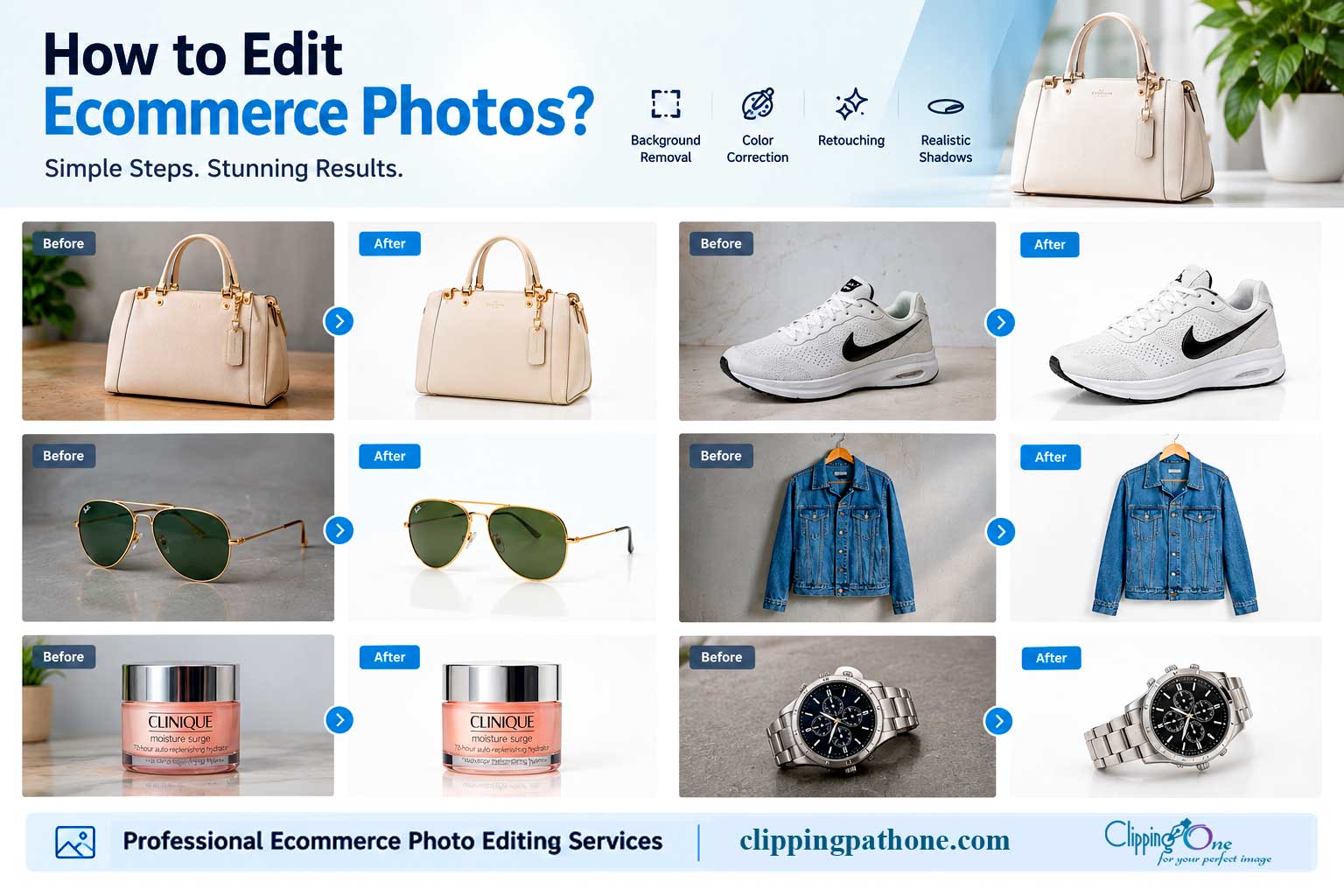
4. Background Removal and Cleanup
A distracting background can weaken an otherwise strong fashion photograph.
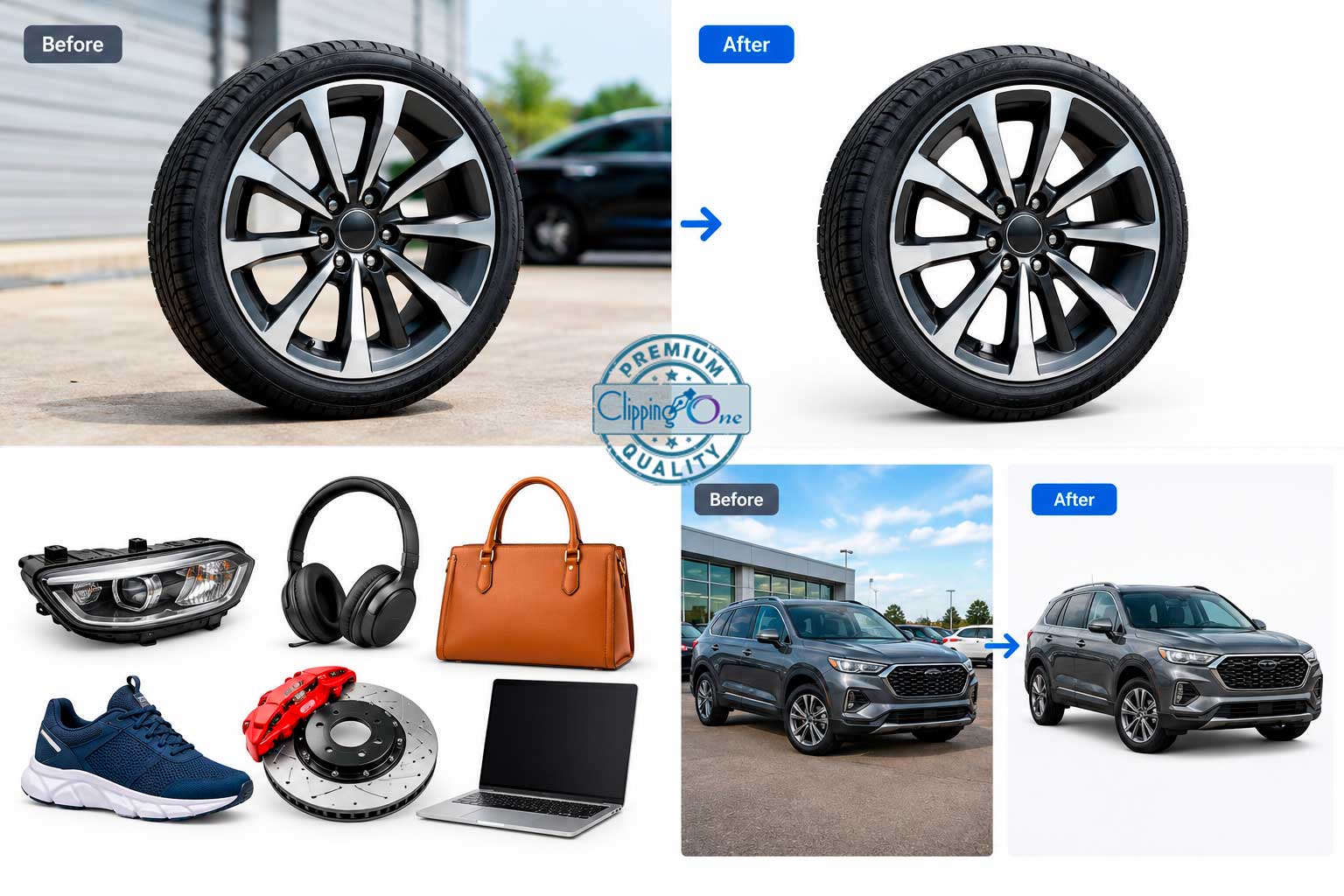
Background editing may include removing unwanted objects, cleaning studio surfaces, correcting uneven backdrops, or replacing the background with a clean white, gray, or brand-approved color.
For catalog photography, standardized backgrounds can create a more professional and cohesive shopping experience.
5. Ghost Mannequin Editing
Ghost mannequin editing creates the appearance of clothing being worn by an invisible model.
Editors combine selected photographs, often including separate views of the garment’s interior, to produce a hollow-man effect that reveals the product’s shape and construction.
This technique is particularly useful for shirts, jackets, dresses, sweaters, and other apparel items where customers need to see the fit and structure without a visible mannequin distracting from the product.
6. Alignment, Cropping, and Detail Cleanup
Consistency matters when shoppers browse a grid of similar products. Images with different proportions, uneven spacing, or inconsistent product placement can make a catalog feel disorganized.
Bulk editing can standardize image dimensions, framing, margins, and alignment while removing minor distractions such as dust or stray threads.
Specialized Services for Ecommerce Fashion Brands
Ecommerce fashion brands need images that are visually appealing, technically consistent, and suitable for their intended sales channels.
A brand may use the same product photographs on its website, online marketplaces, advertising campaigns, email promotions, and social media profiles. Each destination may have different image requirements.
Professional ecommerce fashion post-production helps businesses prepare images for these uses without rebuilding the editing process for every channel.
White Background Product Images
White-background product images help clothing and accessories stand out clearly against a neutral setting.
Editing may involve background removal, edge refinement, shadow control, exposure correction, and consistent product positioning.
The result should match the retailer’s requirements while retaining realistic garment edges, colors, and textures.
Marketplace-Ready Fashion Images
Fashion retailers selling through marketplaces must follow the image specifications and content policies applicable to each platform.
These requirements may differ by marketplace, category, and image placement. They can include image dimensions, background standards, product visibility, and restrictions on certain overlays or visual elements.
A professional editing partner should work from the current specifications supplied or verified for the intended sales channel rather than assuming every marketplace follows identical rules.
Consistent Cropping and Image Dimensions
A catalog may contain images captured by several photographers or produced during different shoots. Standardized cropping and export settings help create a unified presentation.
Your editing brief can specify:
- Final image dimensions and aspect ratios.
- Product placement and margin requirements.
- Background color and shadow style.
- Resolution and file format.
- Naming conventions and delivery folders.
- Primary, secondary, and detail image requirements.
Lookbook and Flat-Lay Fashion Editing
Lookbooks require a visual flow that connects individual products into a coherent collection. Editing may include exposure balancing, color consistency, background cleanup, and subtle retouching.
Flat-lay photography presents a different challenge because garments must be arranged attractively while maintaining a clear view of their shape, details, and proportions.
Bulk editing helps keep these images consistent across an entire seasonal collection.
Outfit-on-Model Editing
On-model fashion photographs combine garment presentation with the model’s pose, lighting, and styling.
Editing may include subtle skin retouching, garment cleanup, color correction, background refinement, and exposure adjustments. A consistent approach helps the collection feel unified without making every photograph look identical.
For more comprehensive ecommerce post-production, explore Clipping Path One’s E-commerce Image Editing Service.
High-End Editorial and Campaign Retouching at Scale
Not every fashion project is intended for a product listing. Editorials, advertising campaigns, seasonal launches, and luxury brand promotions may require a more sophisticated retouching approach.
High-end fashion retouching focuses on detailed image refinement while preserving the photographer’s creative direction.
Typical requirements may include advanced skin retouching, fabric refinement, precise color grading, background reconstruction, complex masking, and carefully controlled compositing.
Campaign-Level Retouching
A fashion campaign may contain hero images, supporting photographs, close-up details, and social media variations. Each image needs to work independently while maintaining a shared visual identity.
An editing partner should follow the campaign’s references and distinguish between photographs requiring extensive retouching and those needing only minor adjustments.
Creative Color Grading
Color grading establishes the mood of a campaign. Warm tones may communicate comfort and softness, while cooler tones can support a minimalist or technical aesthetic.
A well-defined grading reference helps maintain visual continuity across the campaign without compromising the appearance of the clothing itself.
Can Editorial Retouching Receive Bulk Discounts?
Yes, depending on the provider and project requirements. However, the discount structure may differ from that offered for straightforward catalog editing.
A practical approach is to divide the project into editing levels:
- Standard catalog editing: Basic cleanup, color correction, and consistent cropping.
- Enhanced fashion retouching: Detailed garment work and moderate model retouching.
- Premium campaign retouching: Complex skin work, compositing, advanced masking, or creative manipulation.
Separating the work into tiers helps businesses receive an appropriate quote without paying premium retouching rates for photographs that do not require that level of effort.
Workflow: From RAW Uploads to Ready-to-Ship Fashion Imagery
A reliable post-production workflow is essential when managing hundreds or thousands of images. The objective is to make every stage predictable, from file submission to final delivery.
Step 1: Organize and Upload the Source Files
Begin by arranging the photographs into clearly labeled folders based on collection, product category, model, shoot date, or campaign.
Depending on the project, source files may include RAW images, high-resolution JPEGs, reference photographs, and supporting garment views for ghost mannequin editing.
Use a secure transfer method agreed upon with your editing partner.
Step 2: Share the Editing Brief
The editing brief should explain what needs to be changed and what must remain untouched.
Include sample images, background requirements, retouching preferences, color references, output dimensions, file formats, and delivery deadlines.
Clear instructions reduce uncertainty and prevent avoidable revisions.
Step 3: Approve a Sample Batch
Before processing the entire order, submit a representative selection of photographs.
The sample should include typical images and any challenging examples, such as dark fabrics, reflective materials, difficult edges, or complex garment shapes.
Review the results and confirm the editing style before authorizing the full batch.
Step 4: Process Images in Controlled Batches
Large orders can be divided into manageable groups. This makes it easier to track progress, identify issues, and keep the editing standard consistent.
A structured editing pipeline may combine appropriate automation for repetitive tasks with manual review for photographs that require individual attention.
Step 5: Conduct Quality Assurance
Completed images should be checked against the approved brief.
Quality checks may cover garment color, edge accuracy, skin texture, background cleanliness, image dimensions, naming conventions, and export settings.
Step 6: Deliver and Review the Final Files
Final images should be delivered through the agreed channel, organized into the specified folder structure, and named consistently.
The client can then review the delivery and submit any corrections covered by the agreed revision policy.
This workflow creates a repeatable process that can be reused for future collections.
Consistency: The Secret Weapon for Brand-Driven Fashion Imagery
A fashion catalog can contain technically excellent photographs and still look unprofessional if the editing style changes from image to image.
One product may appear warm, another cool, and a third unusually saturated. Backgrounds may vary in brightness, while garments may sit at different heights within the frame.
These inconsistencies weaken the visual relationship between products.
How Editing Guidelines Protect Brand Identity
A documented editing guide should establish the standards that editors follow across each collection.
It may include:
- Preferred background colors and shadow treatments.
- Exposure and white balance references.
- Clothing color accuracy requirements.
- Skin retouching intensity.
- Garment cleanup boundaries.
- Cropping, margins, and alignment.
- Export settings and file naming.
- Examples of approved and unacceptable edits.
For seasonal collections, retain the existing standards and document any intentional changes. This prevents a new editing batch from drifting away from the established brand identity.
Quality Control in Bulk Editing Without Losing Your Signature Style
Speed matters, but volume should never become an excuse for inconsistent results.
A dependable fashion photo editing service uses a quality assurance process that balances productivity with careful inspection.
Use Sample Approvals and Before-and-After Reviews
A sample approval gives both parties a shared understanding of the expected result.
Before approving a sample, inspect the image at full resolution. Look for unnatural skin smoothing, incorrect clothing colors, rough masking edges, missing garment details, and unrealistic shadows.
Review different image types rather than judging the entire project from one easy photograph.
Establish a Multi-Stage Review Process
For large projects, quality control can be divided into several stages:
- Technical review: Check dimensions, formats, resolution, and file integrity.
- Visual review: Inspect retouching quality, garment details, and backgrounds.
- Consistency review: Compare images across the same collection.
- Final delivery review: Confirm folder structure, filenames, and completeness.
A documented review process reduces the chance that small mistakes will spread across hundreds of images.
Protect the Photographer’s Creative Style
A professional editing partner should not impose a generic appearance on every photograph.
The photographer’s lighting choices, intended mood, and visual style should guide the retouching decisions. Reference images and written instructions help the editing team reproduce that style more accurately.
How Bulk Discounts Impact Budgets for Photographers and Creative Teams
Post-production costs affect project profitability. When a studio handles a large catalog, even a small difference in per-image pricing can influence the overall budget.
However, the best comparison includes more than the outsourcing quote.
Consider the cost of internal editing time, software, staff capacity, management, quality checks, revisions, and the opportunity cost of delaying other work.
An Illustrative Bulk Pricing Comparison
The following example uses hypothetical prices for planning purposes. These are not Clipping Path One’s published rates or a guaranteed discount offer.
| Editing arrangement | Images | Example rate per image | Total |
|---|---|---|---|
| Smaller order | 200 | $1.50 | $300 |
| Bulk order | 1,000 | $1.10 | $1,100 |
| Larger bulk order | 3,000 | $0.90 | $2,700 |
In this example, the larger order receives a lower per-image rate. Actual pricing will depend on the service provider, image complexity, order size, quality requirements, and turnaround time.
The example illustrates why businesses should request a quote based on their real workload instead of assuming that every bulk package offers the same discount.
Compare Outsourcing With In-House Editing
Suppose an in-house editor can complete 40 images per day at the required quality level. Editing 1,000 images would require approximately 25 working days at that production rate, before accounting for other responsibilities.
A dedicated external editing team may be able to process the same volume faster, depending on its capacity, the complexity of the work, and the agreed delivery schedule.
The business benefit can extend beyond the direct editing expense. Your internal team may regain time for photography, creative planning, client acquisition, and campaign management.
Calculate the True Cost Per Finished Image
To compare options fairly, consider the complete cost:
True cost per finished image = Total project cost ÷ Number of approved final images
Include applicable editing fees, project management costs, rework, and any additional expenses. This helps distinguish an inexpensive initial quote from a genuinely cost-effective service.
Choosing the Right Fashion Photo Editing Partner for High Volumes
Selecting an editing partner is a business decision that can affect your delivery schedule, client relationships, and brand reputation.
A company may advertise competitive rates, but you also need to determine whether it can reproduce your preferred style and manage the expected workload reliably.
Evaluate the Portfolio
Review samples that match your intended work. Ecommerce clothing photography, model retouching, ghost mannequin editing, and luxury campaign work require different skills.
Check whether the provider can handle your specific image types and follow your editing guidelines.
Start With a Test Project
A small paid or complimentary test batch, when available, is a practical way to evaluate the editing quality and communication process.
Submit representative photographs and provide the same instructions you intend to use for the larger order.
Assess the results before committing to a substantial volume.
Verify Capacity and Reliability
Ask how the provider schedules large orders, manages overlapping deadlines, and handles unexpected production increases.
A reliable partner should communicate realistic delivery estimates rather than promising an aggressive turnaround without understanding the workload.
Check Security and File Management
Fashion shoots may contain unreleased collections, campaign concepts, and confidential product information.
Discuss secure transfers, authorized access, file retention, deletion policies, and nondisclosure agreements where required. Ensure the proposed arrangements fit your company’s confidentiality obligations.
Review Communication and Revision Policies
Clarify who will manage the project, how feedback should be submitted, and how revisions will be tracked.
A dedicated contact and a clear escalation process can make recurring bulk orders much easier to manage.
Essential Questions to Ask Before Committing to Bulk Image Discounts
Before choosing a provider, ask the following questions.
1. What is the minimum order quantity?
Some providers offer discounts only after a specific volume. Others may quote custom rates for recurring projects.
2. How are bulk discounts calculated?
Ask whether the discount depends on the number of images, the complexity of editing, the frequency of orders, or a monthly commitment.
3. What exactly is included in the per-image price?
Confirm whether background removal, garment cleanup, color correction, model retouching, and export preparation are included or priced separately.
4. Are revisions included?
Understand how many revision rounds are covered and whether changes to the original brief count as additional work.
5. What happens when an order contains difficult images?
Reflective materials, fine hair, transparent fabrics, and complex garment edges may require more time than standard product photographs.
6. Is rush delivery available?
Ask whether expedited delivery is possible, what it costs, and whether it affects the size of the order the provider can accept.
7. How are files transferred and stored?
Discuss file security, retention periods, access controls, and deletion procedures.
8. Can the provider maintain the same editing style across recurring orders?
Ask how approved samples, brand guidelines, and revision feedback are documented for future collections.
9. What happens if the delivery is delayed?
Clarify expected communication, revised schedules, and any applicable service-level commitments.
These questions help you compare offers based on the full service rather than the headline discount.
Turnaround Time: Balancing Speed, Volume, and Quality
Fashion brands often work around seasonal launches, promotional events, advertising schedules, and new product releases. Late image delivery can delay product listings and disrupt marketing plans.
Bulk photo editing services can add production capacity, but the required turnaround must be agreed upon realistically.
Standard Delivery Versus Rush Editing
Standard delivery is generally more appropriate when the editing workload can be scheduled in advance. Rush editing may be useful when a campaign deadline changes or a limited number of images must be prioritized.
The fastest option is not always the best one. Complex ghost mannequin work, advanced retouching, and large RAW files may require additional processing and review.
Plan Around Product Launches
Whenever possible, include post-production in the original production calendar.
Estimate the number of images, identify priority products, schedule a sample approval, and reserve time for revisions.
For a large seasonal launch, you can also request staged delivery so that priority products are ready before the remainder of the catalog.
If a provider offers 24-hour or express editing, confirm the image limit, service scope, and conditions rather than assuming that every order qualifies.
Tech Stack: Tools, Automation, and AI in Fashion Photo Editing
Modern fashion photo editing combines manual expertise with software tools and, where appropriate, automation.
AI-powered background removal, automated cropping, batch color adjustments, Photoshop actions, and Lightroom presets can help accelerate repetitive operations.
However, automation does not eliminate the need for professional judgment.
Where Automation Helps
Automated workflows may be useful for:
- Applying consistent export settings.
- Resizing large batches of photographs.
- Performing initial background segmentation.
- Applying approved baseline adjustments.
- Organizing and renaming files.
- Detecting certain technical inconsistencies.
These tools can reduce repetitive work and allow editors to spend more time on challenging images.
Where Human Review Still Matters
Fine garment edges, loose hair, transparent materials, intricate lace, reflective accessories, and complex fabric textures can require manual correction.
AI-generated edits may also unintentionally change a garment’s texture, seams, or color. Such alterations can misrepresent the product and create problems for ecommerce businesses.
The most useful approach is to automate suitable tasks while retaining human review for accuracy, authenticity, and creative consistency.
Case-Style Scenario: From Overwhelmed to Streamlined
Consider a hypothetical mid-sized fashion brand preparing a seasonal lookbook containing 3,000 images.
The internal team initially plans to complete all post-production in-house. The project includes garment cleanup, color correction, background consistency, model retouching, and final export preparation.
As the deadline approaches, the editing workload begins to compete with other marketing responsibilities. Product listings are waiting, the creative team is managing revisions, and the next photoshoot is already scheduled.
The brand decides to outsource the bulk of its editing to a professional post-production provider.
The New Workflow
First, the brand prepares an editing brief containing approved references, background requirements, cropping rules, and color guidelines.
Next, the provider edits a representative sample batch. The brand reviews the results and requests a few adjustments before approving the style.
The remaining photographs are organized into batches, with priority images scheduled for early delivery. The editing team follows the approved brief, while the brand reviews completed batches against its quality standards.
For illustration, assume the company and provider agree on a five-day production schedule, compared with the four-week internal schedule originally estimated.
This is a hypothetical scenario, not a verified client result or a guarantee that every 3,000-image project can be completed in five days. Actual delivery depends on the editing complexity, source files, team capacity, and approval process.
What the Brand Gains
The potential benefits include:
- More predictable post-production scheduling.
- Less pressure on the internal creative team.
- Consistent image presentation across the catalog.
- Additional capacity for new product launches.
- A clearer basis for budgeting recurring projects.
- More time for marketing, merchandising, and creative development.
The important lesson is that outsourcing works best when it is supported by a clear brief, realistic deadlines, and an agreed quality assurance process.
How Photographers and Creatives Can Prepare Files for Bulk Editing
A well-organized submission makes a high-volume editing project easier to manage.
Before transferring the photographs, take time to remove unnecessary complexity from the workflow.
Cull the Images Before Submission
Remove duplicate frames, test shots, accidental exposures, and photographs that will not be used.
Submitting only the required images helps avoid paying for unnecessary editing and reduces the time needed to manage the project.
Use Clear File Naming
Create filenames that identify the product, model, angle, or sequence.
For example:
JKT204_Front_01JKT204_Back_01JKT204_Detail_01DRS118_Model_02
The exact naming format is less important than applying it consistently.
Provide Reference Images
Include examples that demonstrate the desired result. References are especially valuable for background style, garment color, skin retouching, shadows, and image framing.
If a collection uses different editing styles, separate the references by category instead of placing every instruction in a single general document.
Share Technical Requirements
Specify final dimensions, file formats, color profile requirements, background specifications, and delivery folders.
If original RAW files are necessary, confirm the preferred file type and transfer method before uploading the complete batch.
Keep Feedback Centralized
Collect comments in one place and identify the relevant filename for each requested change.
Centralized feedback reduces conflicting instructions and helps the editing team apply corrections accurately.
Building a Long-Term Relationship With Your Editing Partner
A one-time editing project can solve an immediate workload problem. A long-term partnership can help build a more stable post-production process.
When an editing company understands your visual standards and operational requirements, recurring projects may require less briefing and fewer rounds of clarification.
Create a Shared Style Manual
Document the approved editing style, common corrections, output requirements, and examples of acceptable results.
Update the manual when your brand introduces a new collection or changes its visual direction.
Establish Predictable Production Planning
Share anticipated image volumes and campaign dates in advance whenever possible.
This gives the provider a better opportunity to plan resources and helps your team identify peak periods before they become urgent bottlenecks.
Review Performance Regularly
Assess quality, turnaround, communication, and revision frequency after each major project.
Use that feedback to improve the workflow rather than treating every order as a separate production exercise.
For businesses with recurring demand, predictable pricing and a familiar editing team can be just as valuable as a lower per-image rate.
Measuring ROI: Is Your Bulk Fashion Photo Editing Service Paying Off?
Bulk discounts should be evaluated against measurable business outcomes rather than assumed savings.
The direct financial benefit is relatively straightforward: compare the complete cost of outsourced editing with the cost of completing the same work internally.
The broader benefits may include shorter production cycles, more available creative time, and increased capacity to accept additional projects.
Track These Performance Metrics
Cost per approved image: Measure the total cost divided by the number of accepted final images.
Turnaround time: Record the time between submitting the complete brief and receiving approved deliverables.
Revision rate: Track the percentage of images requiring corrections and identify recurring causes.
On-time delivery: Measure the proportion of projects completed within the agreed schedule.
Team productivity: Estimate how much internal time is freed for photography, client service, creative direction, and business development.
Client satisfaction: Monitor feedback, repeat bookings, and the number of projects delivered successfully.
Time to market: Track whether completed images allow products or campaigns to launch according to schedule.
Do Better Images Increase Ecommerce Conversions?
High-quality product images can support shopper confidence by making clothing details, colors, and textures easier to evaluate. However, conversion performance also depends on pricing, product quality, customer reviews, website usability, traffic sources, and other factors.
Avoid assuming that outsourcing alone will increase sales.
Instead, compare relevant business metrics before and after implementing the new workflow. Where possible, run controlled tests and consider other changes that occurred during the same period.
The goal is to determine whether the combined improvements in image quality, delivery speed, and production efficiency justify the cost.
Common Mistakes to Avoid When Using Bulk Image Editing Services
Even a competitive editing package can create problems when the workflow is poorly planned.
1. Providing an Unclear Editing Brief
Instructions such as “make everything look professional” leave too much room for interpretation.
Define the expected result with specific requirements and visual references.
2. Skipping Sample Approval
An editing style that works for one photograph may not work for every garment or lighting condition.
Approve a representative sample before processing the full collection.
3. Prioritizing Price Over Quality
A very low quote may exclude important tasks or provide insufficient time for careful quality control.
Compare the complete service scope and evaluate sample results before making a decision.
4. Changing the Editing Style Midway Through the Project
Frequent changes can create inconsistent images and additional revisions.
Finalize the main visual requirements before production and document any necessary changes clearly.
5. Ignoring Color Management
Uncalibrated displays, inconsistent lighting references, and missing color standards can make it difficult to reproduce garment colors accurately.
Use suitable reference images and a consistent color-managed process.
6. Underestimating the Project Volume
The number of photographs alone does not describe the workload. Complex retouching and multiple output versions can increase production requirements significantly.
Discuss the full scope with the provider before agreeing on a deadline.
7. Relying on a Single Workflow With No Contingency Plan
Large projects can be disrupted by unexpected capacity issues, missing files, or urgent client revisions.
Ask how the provider handles backup capacity, production continuity, and schedule changes.
8. Failing to Check the Final Delivery
Even well-edited photographs can cause problems if filenames are incorrect, images are missing, or export dimensions do not match the specification.
Complete a final technical and visual review before publishing the collection.
Frequently Asked Questions About Fashion Photo Editing Services and Bulk Discounts
What are fashion photo editing services offering bulk image discounts?
These are professional editing services that process large volumes of fashion photographs and may offer reduced per-image rates for qualifying orders. Discounts depend on factors such as image quantity, editing complexity, delivery requirements, and the provider’s pricing policy.
How many images do I need to qualify for bulk photo editing discounts?
There is no universal minimum. Some providers may offer volume pricing for hundreds of images, while others establish different thresholds or custom arrangements for larger projects. Ask the provider for its current minimum order quantity and discount tiers.
What is included in bulk fashion photo editing?
Depending on the package, services may include background cleanup, color correction, garment wrinkle removal, skin retouching, ghost mannequin editing, cropping, alignment, and final file preparation. Always confirm which tasks are included in the quoted rate.
Is bulk fashion photo editing cheaper than in-house editing?
It can be, particularly when a studio has a large and recurring workload. However, the comparison should include internal labor, management, software, revision time, outsourcing costs, and the value of the time your team regains for other work.
Can I outsource 1,000 or more fashion images at once?
Many professional post-production providers support high-volume projects, but their capacity and delivery schedules vary. Share the estimated volume, editing specifications, source file types, and deadline to determine whether the project is feasible.
How long does bulk fashion photo editing take?
Turnaround depends on the number of images, editing complexity, quality requirements, and available production capacity. A straightforward catalog project may be processed differently from a campaign involving advanced retouching and compositing. Request a project-specific schedule before confirming the order.
Can bulk editing maintain accurate clothing colors?
Yes, a well-managed workflow can improve consistency by following color references, suitable color management, and approved editing standards. Accurate representation still depends on the source photography, lighting, monitor calibration, and reference quality.
Can I receive a sample before placing a large order?
Some editing companies offer sample edits or test projects. A sample is a useful way to evaluate quality, communication, and the provider’s understanding of your brief. Confirm any applicable terms before submitting files.
Is ghost mannequin editing available for bulk orders?
Ghost mannequin editing is commonly used for large apparel catalogs. Because the technique can require more work than basic cleanup, pricing and turnaround may depend on garment complexity and the number of views supplied.
Are bulk fashion photo editing services suitable for small brands?
Yes. Smaller brands with seasonal launches or limited in-house editing capacity may benefit from outsourcing when their workload increases. The best arrangement depends on the project’s volume, budget, and frequency.
How do I choose the best fashion photo editing company?
Review relevant portfolio samples, test the editing workflow, confirm pricing and revision policies, check security practices, and establish realistic delivery expectations. Choose a provider that can meet your quality requirements consistently, not simply the one with the lowest advertised rate.
How can I request a quote for bulk ecommerce fashion photo editing?
Prepare an estimated image count, a few representative source photographs, your editing instructions, output requirements, and the desired delivery date. Ask the provider to clarify the scope, pricing, revisions, and expected schedule before approving the project.
Conclusion: Leverage Bulk Fashion Photo Editing Discounts to Scale Your Creative Vision
Fashion photography creates the visual foundation of an online clothing business, but professional post-production determines how consistently that work reaches customers.
As collections grow and ecommerce brands publish more content, editing hundreds or thousands of photographs manually can become a significant operational challenge. Without a structured workflow, even a talented creative team can struggle to balance quality, deadlines, and profitability.
Fashion photo editing services offering bulk image discounts provide a practical way to manage that pressure. By combining volume-based pricing, clear editing guidelines, sample approvals, and dependable quality assurance, photographers and retailers can make high-volume post-production more predictable.
The benefits extend beyond the cost of each photograph. A well-planned outsourcing arrangement can free internal teams to focus on creative direction, client relationships, photography, merchandising, and business growth.
The key is to select a partner that understands your requirements, respects your visual identity, and can manage your workload realistically.
In the same way a well-planned shoot day can make or break a campaign, a smart approach to bulk fashion photo editing can redefine how you work. With the right partner, discounts on high-volume editing stop being just about saving money. They become a strategic tool to free your team for higher-value creative work, win bigger clients, and ship campaigns faster.
The next time you plan a large apparel or lookbook shoot, build bulk image discounts into your post-production plan from day one. Treat editing as a scalable part of your creative engine—not an afterthought.
Need Professional Ecommerce Image Editing Support?
Clipping Path One helps businesses prepare product imagery for professional ecommerce presentation, with services covering image cleanup, background editing, retouching, and other post-production requirements.
Explore our E-commerce Image Editing Service to learn more about the available options for your product photography workflow.
If you are planning a large fashion catalog or seasonal collection, prepare a sample batch and discuss your image volume, required edits, and delivery schedule with your preferred editing partner before production begins.