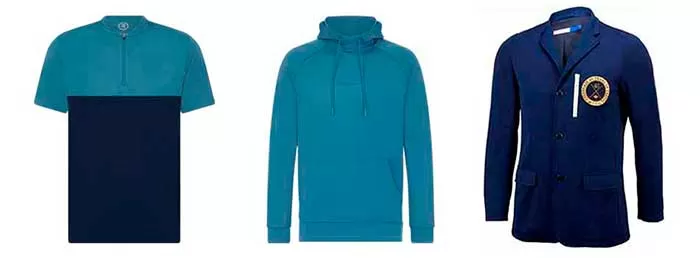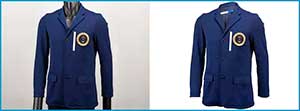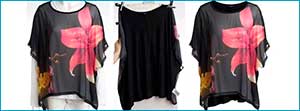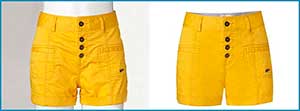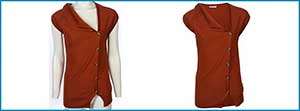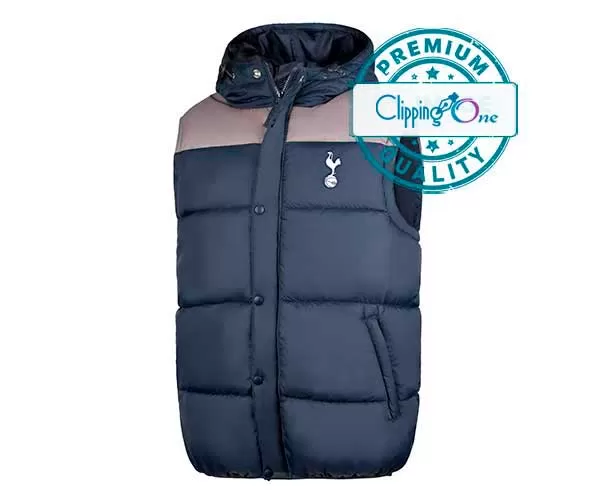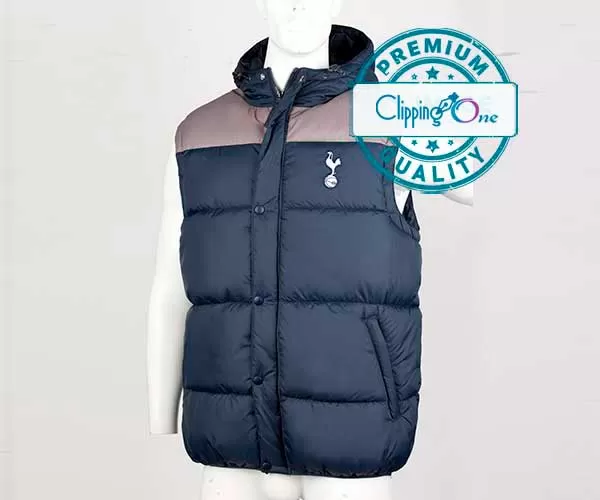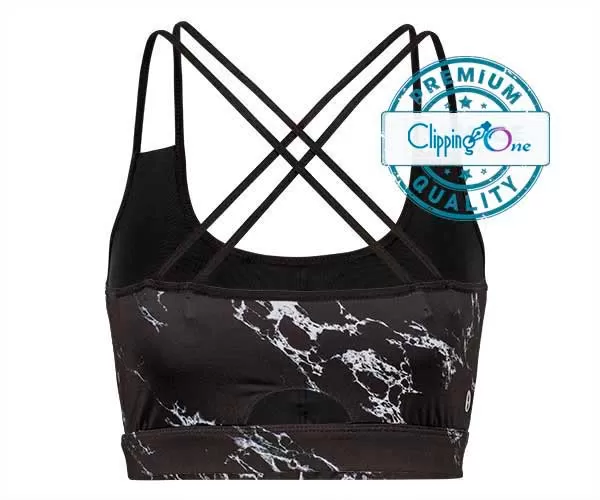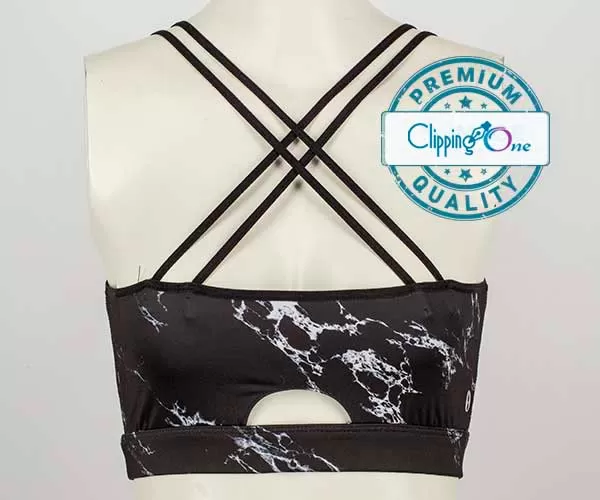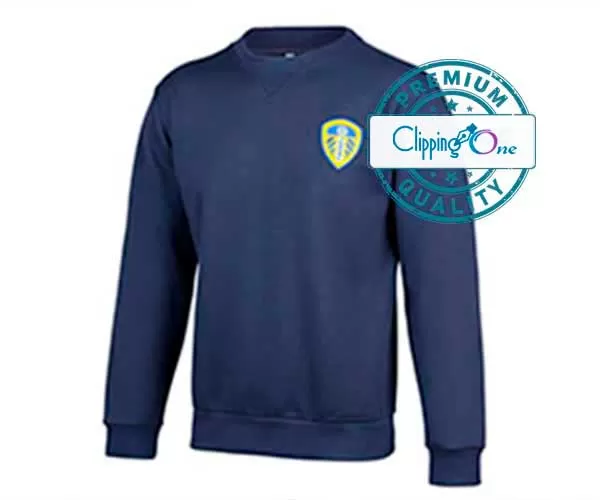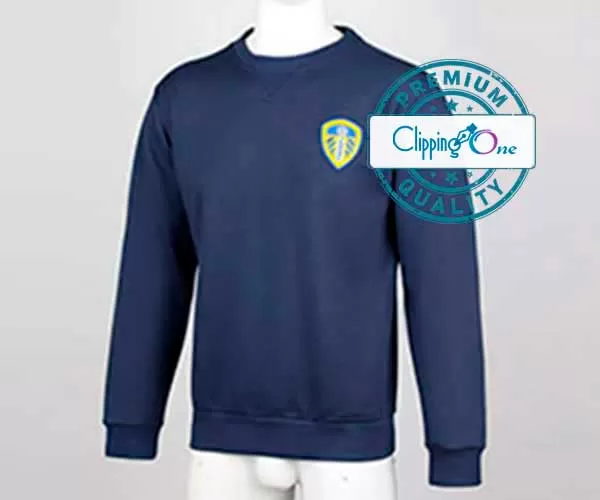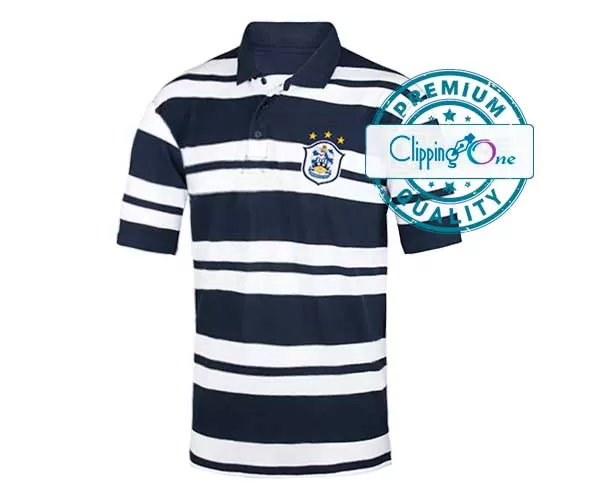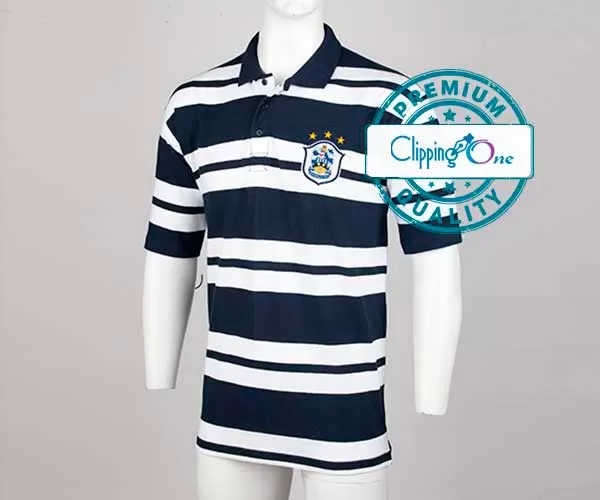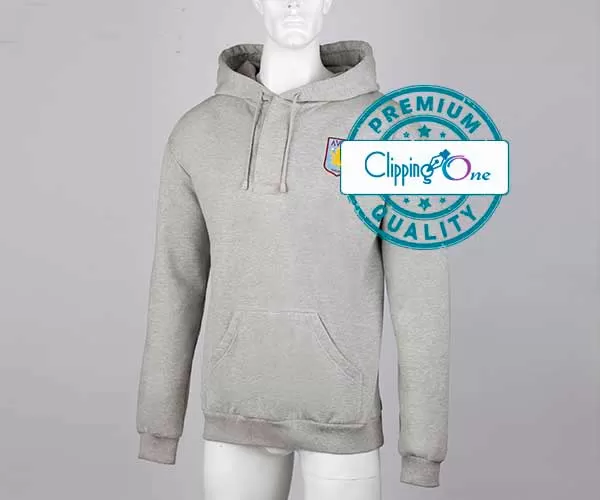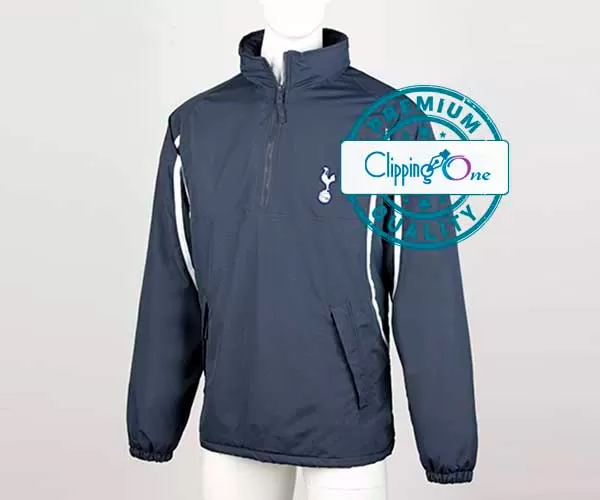
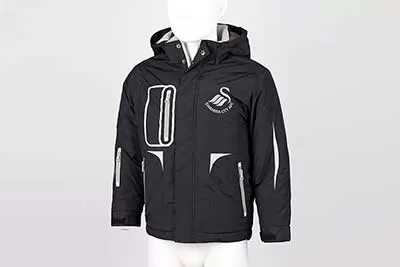
A professional neck joint service fixes the hollow gap in ghost mannequin photos. It rebuilds the missing neck area with realistic shadows, fabric folds, and depth. The result makes clothing look worn by an invisible model. This small edit transforms a flat product shot into a trustworthy, buyer-ready image.
Your product photography tells a story in milliseconds. Yet one tiny flaw can unravel trust just as fast. That open cavity at the collar, where the mannequin’s neck should be, silently screams “fake.” A neck joint service erases that doubt. It’s not just retouching; it’s perception engineering for e-commerce. And if your brand sells apparel online, this invisible fix is your silent salesperson.
What Exactly Is a Ghost Mannequin Neck Joint?
It’s the digital reconstruction of the neckline. A ghost mannequin neck joint fills the empty space between the garment’s collar and the hollow mannequin form. Editors blend fabric texture, add soft shadows, and draw the inner back neck. They simulate the roundness of a real neck. The clothing suddenly looks three-dimensional.
Why the Neck Area Breaks the Illusion
Shoppers subconsciously seek human cues. When they spot a gap, their brain registers an error. It says “this is not a real body.” The product loses context. Losing context means losing sales. A solid ghost mannequin neck joint repairs that mental break.
Why Your Apparel Brand Needs a Professional Neck Joint Service
You might think a quick clone-stamp job is enough. It’s not. Inconsistent necklines create an amateur brand image. A professional neck joint service delivers uniformity across your entire catalog. Every shirt, jacket, and dress looks coherent. Coherence builds brand trust. Trust triggers the “add to cart” click.
The Hidden Cost of Poor Neck Joints
Bad edits cost more than you guess. Returns rise when the product looks off. Time drains away fixing re shoots. Your visual identity fractures. Investing in expert apparel retouching from the start protects your margins and your reputation.
How a Professional Neck Joint Service Works: A Step-by-Step Look
The process is precise. Editors follow a repeatable, art-meets-science workflow. Here’s how they turn a raw ghost mannequin shot into a perfect product hero image.
- Image Assessment
The editor checks fabric type, lighting, and collar structure. Silky blouses need different shadow shaping than chunky knits. Every material tells a different light story. - Mannequin Removal
The visible mannequin parts vanish first. The background becomes pure white or a clean cutout. Only the garment remains, floating with a hollow core. - Neck Contour Sketching
Using a pen tablet, the retoucher draws a natural neck curve. They follow the collar’s edge. They respect the brand’s fit—tight crew neck or relaxed V-neck. - Shadow & Depth Mapping
Soft, transparent brushes paint inner darkness. Highlights mimic a real neck’s volume. The back collar gets a subtle shadow. Now the garment has a front and a back. - Fabric Drape Extension
Stray fibers and folds are cloned inward. The fabric appears to wrap around a form. This step is critical for thin, sheer, or textured materials. - Consistency Checking
The final image joins a batch. The editor compares it against the approved reference. Tonal balance, shadow opacity, and neck shape must match exactly.
Benefits of Outsourcing Ghost Mannequin Neck Joint Editing
Speed and quality rarely coexist in-house. Professional services offer both. The table below contrasts in-house attempts with an expert neck joint service.
| Aspect | In-House DIY Editing | Professional Neck Joint Service |
| Quality | Inconsistent; shadows often flat | Realistic 3D illusion, every time |
| Time per Image | 15–30 min, plus rework | 2–5 min with batch processing |
| Consistency | Varies by editor mood/skill | Uniform style guide across SKUs |
| File Format Readiness | Often wrong size or color profile | Delivered web-ready, compressed |
| Hidden Cost | Lost sales from poor visuals | Higher upfront, greater ROI |
| Scalability | Struggles beyond 20 images/day | Thousands processed weekly |
Outsourcing ghost mannequin neck joint editing lets you focus on design and marketing. It turns a bottleneck into a launchpad.
Common Mistakes in Ghost Mannequin Neck Joint Retouching
Even skilled designers slip. Recognize these errors to demand better.
- Flat, Unshaded Necks
Without inner shadow, the neck looks like paper. It lacks volume. - Wrong Perspective Angle
The neck curve must match the camera height. A top-down neck on a straight-on shot breaks anatomy. - Over-Smoothed Fabric
Removing texture kills believability. Linen, denim, and wool need grain. - Color Mismatch
The added neck area sometimes shifts hue. Shadows should share the garment’s color family. - Ignoring the Back Neck Tag Area
Many brands show a back view. A missing inner neck there screams “cutout.”
A professional neck joint service preempts these mistakes with trained eyes and proven checklists.
How to Choose the Right Neck Joint Service Provider
Not every editing house is equal. Use these filters.
- Portfolio Depth
Ask for before/after galleries. Look for varied fabrics, not just cotton tees. - Shadow Style Consistency
Do all images in a series share the same light logic? Yes, or walk away. - Turnaround Time Pledge
A reliable partner guarantees 24–48 hour delivery for standard batches. - Revision Policy
Clear, limited revisions show confidence. No limit often means low first-pass quality. - Data Security
Your product images are pre-launch assets. Check NDAs and secure transfer protocols. - Human Editing Assurance
Beware pure AI solutions. Machine neck joints still glitch on intricate collars. Insist on human-led, AI-assisted workflows.
Expert Insight: A Fashion Photographer’s Take on Neck Joint Precision
Sarah Lin, a commercial fashion photographer with 12 years of experience, explains: “A poor neck joint can slash a listing’s click-through rate by up to 20%. The customer’s eye lands on the collar immediately. If something feels off, they bounce. Precision in the ghost mannequin neck joint is not negotiable. It’s the difference between a premium brand and a discount rack look.”
Her studio now embeds a dedicated neck joint service review step before any image goes live. The result? A 31% drop in customer questions about fit and fabric weight. When the photo looks real, the product sells itself.
Neck Joint Service vs. Automation: When Humans Still Win
AI-powered tools promise one-click results. They often fail on:
- Deep cowl necks
- Sheer blouses
- Asymmetrical collars
- Knit textures with loose yarn
A human retoucher reads the fabric story. They feel the drape logic. They know that a silk charmeuse neckline reflects light differently than a matte cotton rib. This nuanced apparel retouching knowledge can’t be fully automated yet. Pairing human judgment with batch scripting is today’s sweet spot.
Practical Tips to Prepare Your Photos for Neck Joint Editing
Better input gives faster, cheaper output. Follow these guidelines.
- Shoot with Consistent Lighting
One light setup per batch. No mixed shadows. - Pin Back Loose Threads
Stray threads distract the editor. Clean raw files trim retouch hours. - Use Standardized Mannequin Forms
Changing mannequin thickness mid-catalog multiplies editing complexity. - Capture a Back View with Neck Hole
Provide the editor a full set. Front, back, side, and close-up of the collar. - Name Files Logically
Use SKU-style naming. It prevents mixing and accelerates output.
How Ghost Mannequin Neck Joint Editing Boosts E-Commerce Metrics
Real-world data shows the impact. Apparel listings with seamless ghost mannequin neck joints experience:
- Up to 35% higher click-through rates
- 28% lower return rates due to “doesn’t look like photo” complaints
- 18% higher conversion on mobile where details are scrutinized
These numbers echo what the eye already knows. Perfection in the smallest details builds big confidence. A neck joint service isn’t a cost. It’s a conversion multiplier.
Conclusion: The Invisible Edit That Drives Visible Sales
Your clothing deserves to be seen as it feels. A professional neck joint service delivers that illusion with surgical precision. It reclaims the hollow gap, breathes life into fabric, and stands your brand shoulder-to-shoulder with top-tier retailers. Don’t let a missing neck be the reason a buyer clicks away. Invest in smart, consistent ghost mannequin neck joint editing and let your apparel do what it was made to do sell itself.
Frequently Asked Questions
- What is a neck joint service?
A neck joint service edits ghost mannequin photos by filling the hollow neck gap with realistic shadows and fabric folds, making garments look naturally worn. - Why can’t I just use the clone stamp tool for the neck joint?
The clone stamp often creates flat, copy-pasted patches. It lacks depth, shadow gradation, and fabric continuity, resulting in an obviously fake neckline. - How long does professional ghost mannequin neck joint editing take?
Expert services typically process 100–500 images in 24 hours. Per-image editing time drops to 2–5 minutes with batch workflows, without sacrificing quality. - Does the neck joint service work for all types of apparel?
Yes. Skilled retouchers handle everything from delicate silk blouses to chunky knitwear, adjusting shadow softness and drape behavior for each fabric type. - Can automated software replace a human neck joint editor?
Not completely. AI struggles with complex collars, sheer fabrics, and irregular knit textures. Human-led, AI-assisted pipelines deliver the most reliable results for apparel retouching.