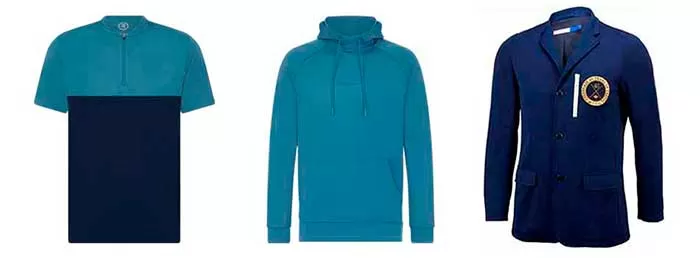
The best ghost mannequin services combine fast turnaround, flawless neck joints, and ecommerce-ready deliverables for fashion brands that need clean, high-converting product images without the chaos of in-house editing. Pricing in 2026 ranges from 0.50 per image for bulk edits to120 per image for full-service studio shoots, and the right partner cuts apparel return rates by up to 30% while lifting conversion by as much as 45%. Here’s exactly how to find them.
What Are Ghost Mannequin Services?
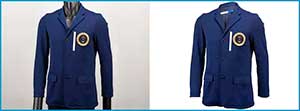
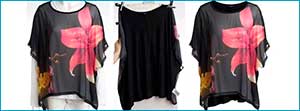
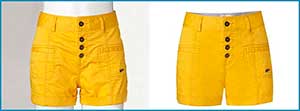
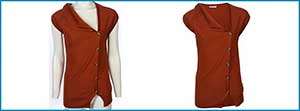
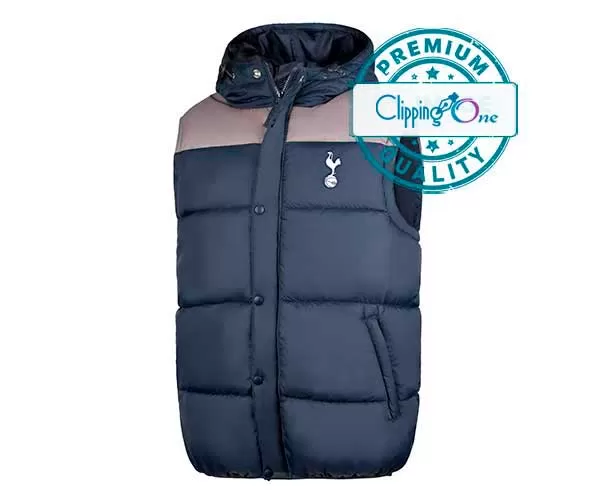
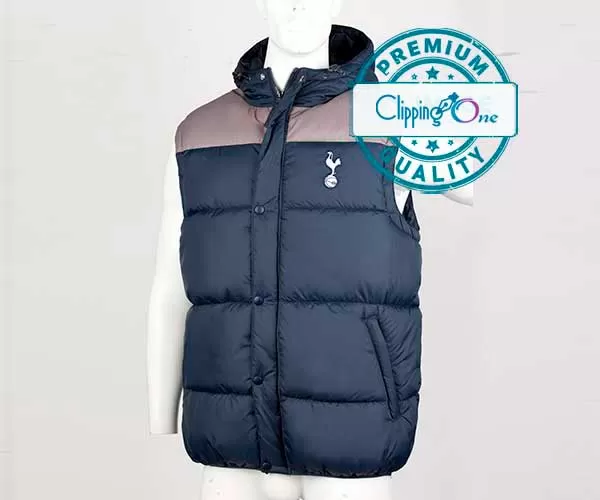
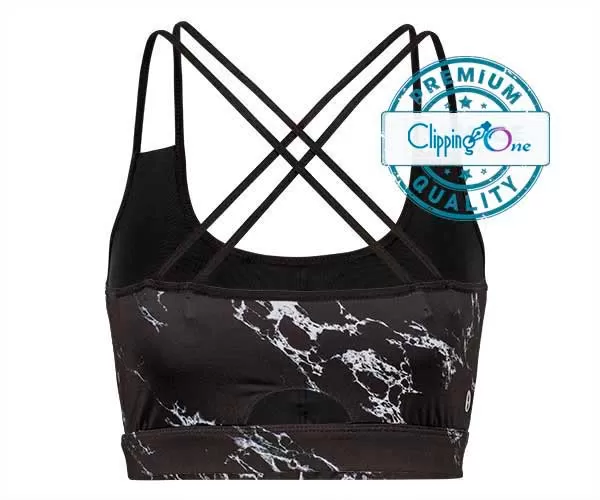
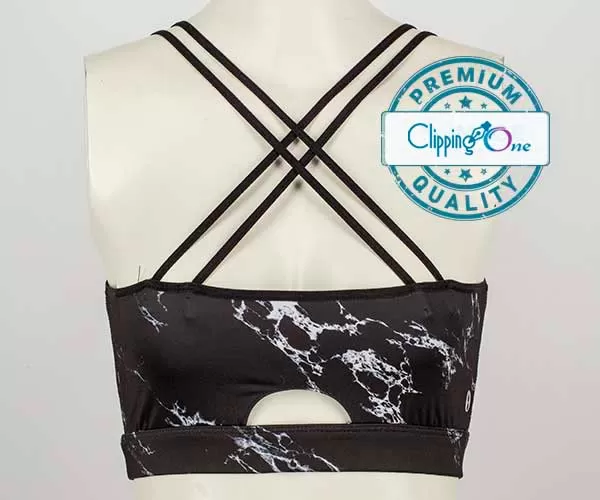
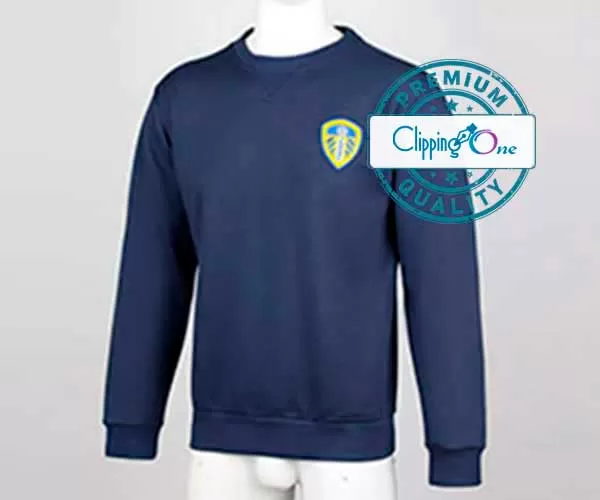
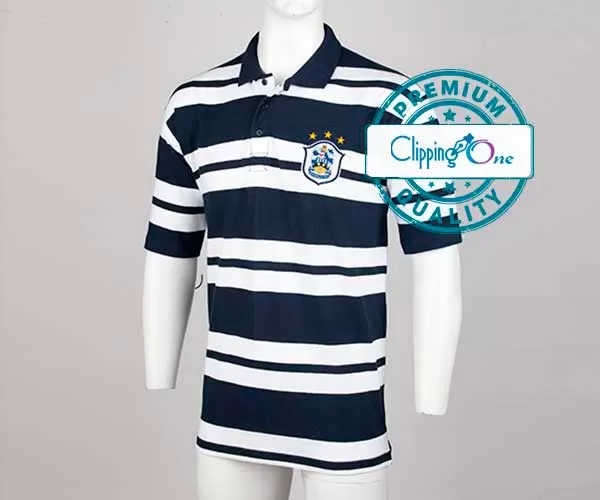
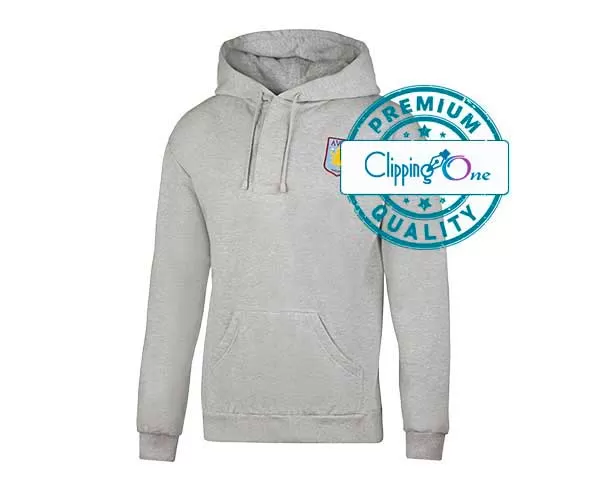
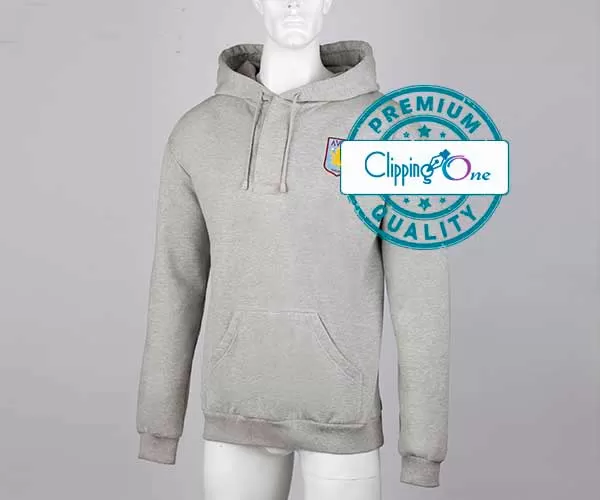
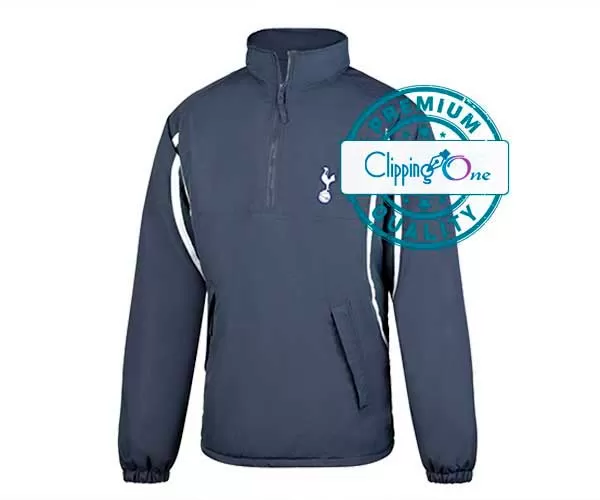
A ghost mannequin service removes the mannequin from apparel photos, then reconstructs the hidden inner areas to create the “floating garment” look you see on every serious fashion store. It’s also called invisible mannequin editing or the hollow-man effect.
The process is more than erasing plastic. Editors photograph a garment on a mannequin, shoot separate interior neck and sleeve shots, then composite everything in Photoshop. The front image shows the outside. The inside shots fill the empty neck, sleeves, and hem. The result? A 3D product shot with natural shadows, accurate color, and nothing distracting the customer from the garment itself.
Flat lay images show texture but not structure. Model photography shows context but costs a fortune. Ghost mannequin sits right in the middle—polished, consistent, and built for product pages.
Why Fashion eCommerce Brands Can’t Skip This in 2026
Fashion ecommerce isn’t getting cheaper or slower. Online clothing sales hit 57.6% of total apparel spend in 2025, and returns climbed to 19.3%—nearly one in five items sent back. Product imagery sits at the center of both problems.
Here’s what ghost mannequin imagery actually changes:
- Return rates drop 20–30%. Shoppers see collar structure, sleeve length, and interior details they’d miss in flat photos. Less guesswork, fewer surprises.
- Conversion climbs up to 45%. Clean, dimensional images mimic the in-store experience better than any flat alternative.
- Amazon compliance becomes automatic. Amazon prohibits visible mannequins in main images. Ghost mannequin satisfies that requirement natively.
- Production costs fall 60% or more. You shoot once on a mannequin. No models, no hair and makeup, no reshoot logistics.
One UK fashion brand reported their return rate fell by 22% and photo costs dropped 60% within months of switching to a dedicated ghost mannequin workflow. That’s not marketing fluff. It’s consistent across the sector.
How to Choose the Best Ghost Mannequin Services
Not all providers deliver the same quality. Choosing poorly means inconsistent catalogs, visible editing artifacts, and customers who can’t trust what they see. Here’s how to vet providers properly.
Quality Standards That Actually Matter
Request a free trial most reputable services offer one. Then zoom in. A professional apparel image editing company shows natural fabric drape, clean neck joints without halos, accurate color correction, and consistent shadows across every sample.
Look at 3–5 edited samples and check:
- Symmetry at the neck and shoulder line
- No over-sharpened edges or plastic-looking surfaces
- Preserved fabric texture denim should still look like denim
- Consistent white background values especially for Amazon
- Color accuracy across similar fabrics and lighting conditions
If the samples look inconsistent, the full order will be worse. Move on.
Pricing Breakdown (2026)
Pricing splits into two categories: editing-only services and full photography-plus-editing studios.
Service Type | Price Range (per image) | Best For |
| Bulk editing only (offshore) | 0.50–2.00 | High-volume catalogs, 200+ SKUs/month |
| Mid-tier editing (specialized) | 2.00–7.00 | Boutique brands, moderate volume |
| Premium editing (luxury) | 7.00–12.00 | Complex garments, creative control |
| Full-service studio (shoot + edit) | 60–120 | Brands without in-house photography |
Bulk discounts are standard. Most providers cut rates 20–30% once you pass 300–500 images per month. One specialist studio offers enterprise plans at $0.40/image for clients processing over 2,000 images monthly.
Turnaround Time
Standard delivery runs 24–72 hours for batches under 100 images. Larger bulk orders typically take two to five days, though some providers push 50+ edited images out in a single 24-hour window using follow-the-sun production models.
Express turnaround 12 hours or less comes with a surcharge, usually 20–50% above standard rates.
Red Flags You Shouldn’t Ignore
Walk away from providers that show these warning signs:
- Prices that seem impossibly cheap under $0.30/image
- No trial option or unwillingness to share portfolio samples
- Delayed or vague communication before you’ve even placed an order
- Inconsistent portfolio quality some images perfect, others sloppy
- No clear revision policy in writing
- Hidden fees for basic steps like color correction or background cleanup
A ghost mannequin service is a production partner, not a one-off transaction. If they’re unreliable at the trial stage, they won’t improve with 500 images due on Thursday.
Top Ghost Mannequin Service Providers Compared (2026)
The following providers represent the spectrum of what’s available. Selection considered user reviews Trustpilot, G2, Reddit, published portfolios, and platform-specific capabilities.
Provider | Starting Price | Turnaround | Best For |
| Retouching Labs | $0.75/image | 24 hours standard | SMB ecommerce sellers; full joint edits |
| Pixelz | Custom (enterprise) | Automated, scalable | High-volume enterprise and major retailers |
| PixelPhant | $0.40/image | 15 hours – 2 hours express | Growing brands; transparent tiered pricing |
| VectorWiz | $1.50/image | 24 hours | Catalog-scale batch editing; 19+ in-house editors |
| Path Edits | Mid-tier (3–7) | 12–24 hours | Boutique brands needing premium finishing |
| Clipping Path One | Budget (0.75–1.00) | 12–48 hours | High-volume wholesalers and marketplaces |
| Paper Boat Creative | Premium (7–12) | 24–48 hours | Luxury brands and creative agencies |
Retouching Labs includes neck, sleeve, and bottom joint compositing plus color correction as standard—no à la carte upgrades. Pixelz dominates the enterprise space with workflow automation built for brands processing thousands of images monthly. PixelPhant offers the most transparent tiered structure, including a free trial with no credit card required.
Ghost Mannequin vs. Flat Lay vs. Model Photography
The right format depends on where the image lives. Confuse them, and you either overspend on social content or undersell on product pages.
Factor | Ghost Mannequin | Flat Lay | Model Photography |
| Visual style | 3D floating effect | 2D overhead | Lifestyle, contextual |
| Shows fit | ✓ Strong | ✗ Limited | ✓ Excellent |
| Cost per image | 0.50–120 | 30–75 | 150–3,000+ |
| Best use | Product detail pages | Social media, look books | Campaigns, brand storytelling |
| Amazon compliance | ✓ Main image ready | Allowed | Allowed |
| Production speed | Moderate–Fast | Fast | Slow |
Ghost mannequin wins product pages every time. It mimics the experience of seeing an item worn, helps customers imagine fit, and keeps the catalog uniform across hundreds of SKUs.
Flat lay shines for social storytelling and pattern-focused products—T-shirts, knits, casual wear. Model photography builds aspiration but costs multiples more per image and introduces variables model availability, re shoot logistics, retouching complexity.
The smartest brands use both strategically: ghost mannequin for every PDP main image, flat lay for supporting shots and Instagram, and model photography reserved for campaign launches and look books.
How to Get the Best Results from Your Ghost Mannequin Provider
Even the best editing team can’t fix bad photography. Here’s what to lock in before you upload a single file.
Nail the capture set. A standard ghost mannequin image needs more than one photo. You need a front-facing shot on the mannequin, an interior neck shot (collar open, showing tags and inner seams), and often sleeve and hem insert shots for complex garments. If you skip the insert shots, the editor has to rebuild fabric structure from scratch—costing time and money.
Consistent lighting saves editing hours. Use the same soft box placement, same background, same exposure settings across every product. Editors spend less time balancing mismatched exposures, which keeps your per-image cost down.
Steam and prep every garment. Wrinkles look unprofessional and force extra retouching. A garment stylist reduces editing time by 35–45% and lifts catalog consistency from 60–80% to 90–99%. If budget allows, a stylist pays for themselves in saved editing fees.
Lock file specs upfront. For Amazon and Shopify, deliver JPEGs at minimum 1500×2000px, SRGB color profile, quality 85–90%, under 4MB file size. Confirm these specs with your provider before they touch image one.
2026 Trends Shaping Ghost Mannequin Services
The landscape is shifting. Here’s what’s actually changing how fashion brands produce product imagery this year.
AI is automating the effect but not fully replacing humans. Tools like Wear view now generate ghost mannequin composites from a single front shot, slashing production costs. The AI-generated fashion photography market hit $2.66 billion in 2026 and is growing at 32.3% annually. Yet for complex garments jackets with linings, sheer fabrics, asymmetric cuts manual editing still wins. The output quality gap narrows monthly but hasn’t closed.
Hybrid workflows are becoming standard. Forward-thinking studios now combine AI pre-processing background removal, initial mannequin cleanup with human finishing (neck reconstruction, fabric preservation, shadow detail). The result? Faster turnaround without sacrificing quality. One LA studio runs an AI-powered post-production pipeline alongside 11 human retouchers for 24-hour delivery at scale.
AR and virtual try-on raise the bar. Shoppers increasingly expect to visualize garments on their own body shape. Ghost mannequin images serve as the clean input data for virtual try-on engines. The better your base image, the more realistic the AR experience.
Sustainability is factoring into decisions. Brands are recognizing that ghost mannequin photography eliminates the carbon footprint of model travel, multiple location shoots, and sample waste. It’s not the headline reason to choose the technique but it’s a quiet, real benefit that aligns with 2026’s compliance focused fashion landscape.
Conclusion: The Best Ghost Mannequin Services Solve a Business Problem, Not Just an Image Problem
Pick the wrong provider and you get inconsistent catalogs, higher returns, and a brand that looks amateur next to competitors. Pick the right one and you get a production engine: uniform product pages, faster launches, and shoppers who keep what they buy.
Start with a trial. Compare three providers on the same five images. Look at the necks, the shadows, the fabric texture. Check their turnaround reliability. Negotiate bulk pricing once you hit 200+ images per month. The best ghost mannequin services don’t just edit photos—they become the quiet infrastructure behind a fashion brand that actually converts.
Frequently Asked Questions
What is a ghost mannequin service and how does it work?
A ghost mannequin service photographs garments on a mannequin, then uses professional editing to remove the mannequin and reconstruct hidden areas like the inner neck and sleeves. The result is a clean, 3D “floating garment” image that shows fit, structure, and interior details without any visual distraction.
How much do the best ghost mannequin services cost in 2026?
Pricing ranges from 0.50 to 12 per image for editing-only services, depending on garment complexity and order volume. Full-service photography studios charge
60–120 per final image, which includes the shoot, styling, and professional editing. Most providers offer significant bulk discounts above 300–500 images per month.
Which is better for my fashion brand ghost mannequin or model photography?
Ghost mannequin excels on product detail pages where shoppers need to see fit, cut, and construction clearly. Model photography works better for lifestyle campaigns and brand storytelling. Many successful brands use both: ghost mannequin for main PDP images and model photography for look books and social content.
Can ghost mannequin images be used on Amazon and Shopify?
Yes. Amazon specifically prohibits visible mannequins in main listing images but accepts ghost mannequin photography as a compliant format. Shopify has no such restriction, but ghost mannequin imagery aligns with the clean, studio-quality aesthetic that high-converting Shopify stores consistently use.
How do I choose a reliable ghost mannequin service provider?
Evaluate providers by requesting a free trial of 3–5 images, checking for natural neck joints and consistent color across samples. Review their portfolio for experience with your specific garment types. Confirm turnaround times, revision policies, and bulk pricing structures. Avoid providers who refuse trials or show inconsistent portfolio quality.